Boats for sale, crews out of work as NQ fishing industry ravaged
Dozens of workers have already been laid off from fishing businesses in Queensland’s north as uncertainty over market conditions continues to spread.
Export-orientated businesses are suffering an uncertain future as the coronavirus global downturn hits the bottom lines of exposed industries.
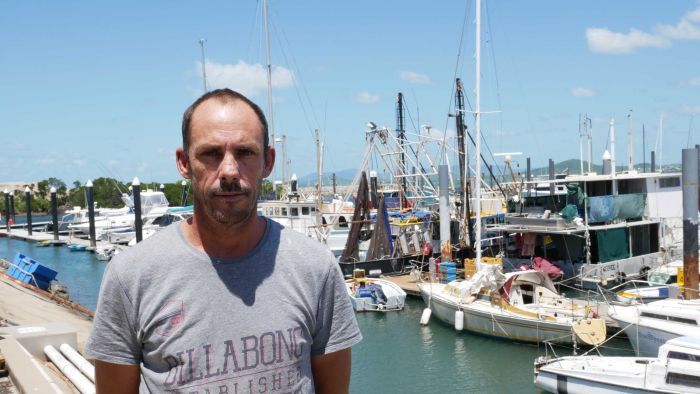
The live coral trout trade, which underpins the fishing sector in the north Queensland town of Bowen, has been shut down since January, with dozens of crews out of work and boats for sale.
Ben Collison, a 22-year veteran of the Bowen line-fishing industry, said it was the worst he had ever seen the market.
“Ninety per cent of the boats — as soon as China stopped, they stopped,” he said.
“They all relied on the Chinese market.”
For Collison, last week’s Government announcement that public gatherings should not exceed 100 people killed demand in the Sydney restaurant scene that takes about half his normal catch.
Trade for his clients — including celebrity chef Neil Perry’s Rockpool Bar & Grill restaurant — fell dramatically last week, leading to the cancellation of future coral trout orders.
“He went from 400 to 600 people for a lunch sitting, down to eight people, nearly nothing, nearly shut the doors,” Collison said.
Prices plunge
You might like


Adding to the pain for Bowen’s fishermen, prices crashed from $60 per kilogram early in the year to just $17 last week, less than half the break-even price.
With 55 fishermen unemployed and some boat owners already leaving to find work elsewhere, the future for Bowen’s seafood trade is uncertain.
Assistance from the State Government has included waiving quota and licence fees and offering to assist with transitioning the sector from live to chilled production of fish, but Collison says that market is now unprofitable also.
“It’s just not viable to take our boats out to chase that market,” he said.
“There’s already boats popped up for sale and there’s blokes already gone, for sure.”
Retailers suffer
Wholesaler Chloe Bauer from Bowen Fisherman’s Seafood unloads boats and services the live coral trout trade, but the downturn is also hurting other parts of the business.
“Now we’re starting to see the effects on the retail side of the business, people are starting to go into panic mode and not venturing out as much,” she said.
“We’re trying to keep everyone in a job, we’re trying to look at ways that we can do things, continuing takeaway, maybe do some renovations to the place.”
Bauer said China was poised to reopen its borders to live coral trout exports, but freight remained an issue with mass cancellation of flights limiting opportunity.
“People were looking at buying,” she said.
“China’s opening up and now we don’t have a way to get it there, so it’s a huge impact.”
Stay informed, daily
Terry Must, the owner of Bowen’s other wholesale business, Arabon Seafoods, said he had already had to lay two staff off due to the crash.
He urged Australians to buy more local seafood.
“We just hope people can come to the local fish shops and keep the industry going in some sort of way,” he said.
Uncertainty for farmers
The Bowen fruit and vegetable industry represents Australia’s largest winter growing region, with a typical annual value of $460 million.
Several seasons of poor prices and excess production, with competition from a growing hothouse sector closer to southern markets, means some growers have slashed plantings this season by up to a third.
Neville Travers-Jones, the owner of Bowen Quality Seedlings, supplies farmers across the district with tomatoes, capsicums, melons and pumpkins.
Travers-Jones said sales were down in 2020.
“Most of the fellas have cut back a bit, probably there wasn’t as big a demand in markets last year so some of them have trimmed numbers,” he said.
“In some cases that’s been a small percentage, in some cases that’s been 30 per cent or more.”
Winter worries
Several growers the ABC spoke to raised concerns about retaining a healthy workforce and the slump in hospitality trade as influencing their decision making for the winter 2020 crop.
But Bowen-Gumlu Growers Association president Carl Walker said the cuts were more to do with long-term market conditions than the economic downturn.
Walker said organising a labour force to contend with an expected winter peak in the COVID-19 infection rate was the industry’s priority.
“People are obviously concerned, we’re working with the local backpackers to set up a house or two that’ll purely be for people who get the virus, so they can be isolated for 14 days,” he said.
“We’re working with the State Government, [horticulture lobby] Growcom and other groups to set up a strategy across Queensland.
“I think most of us are pretty nervous about 2020, this is an unknown — the world hasn’t been in this situation since 1919.”
– ABC / Tom Major
Want to see more stories from InDaily Qld in your Google search results?
- Click here to set InDaily Qld as a preferred source.
- Tick the box next to "InDaily Qld". That's it.



