How a tiny Cape York township slammed the door on virus
At least one remote Cape York community is in a self-imposed lockdown, as strict travel restrictions are implemented across far north Queensland to contain the spread of coronavirus.
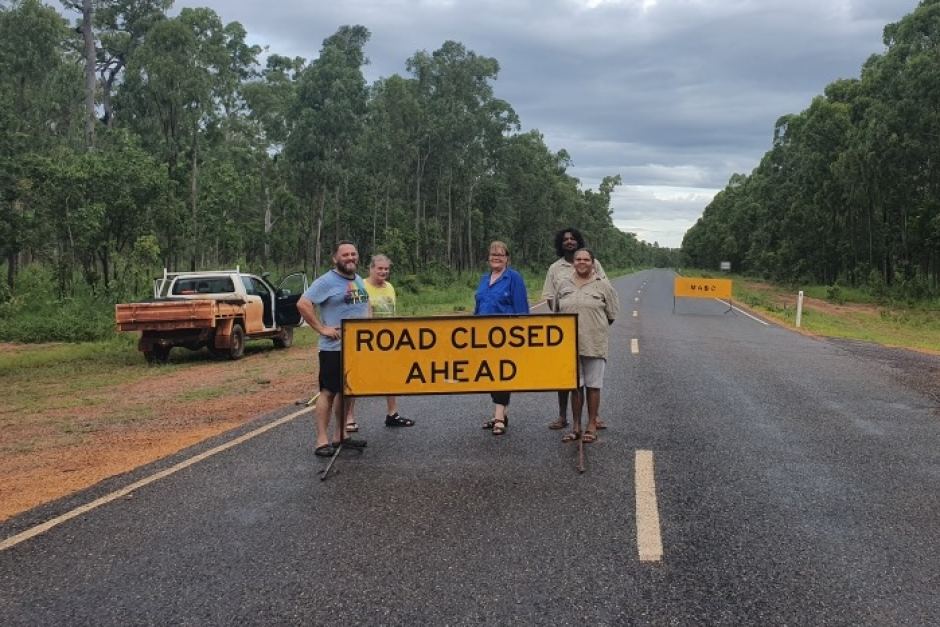
Mapoon Aboriginal Shire Council on western Cape York implemented a ban on travel in and out of community to all but health and critical infrastructure workers, effective from 5:00pm on Sunday.
The shire’s chief executive, Naseem Chetty, said it was a locally made decision based on advice from its Local Disaster Management Group and independent of any government directive.
“Community members were told that if they weren’t back by [the deadline], they would not be allowed back in,” Chetty said.
“We needed to be proactive. We shouldn’t be waiting for COVID-19 to be in our community. We need to shut it at our doorstep.”
Police and local rangers are manning a checkpoint 10km outside of Mapoon to enforce the travel restrictions.
Chetty said the measures were necessary to protect a population that included many living with chronic disease.
“About 50 per cent of people in our community have diabetes, which makes them very susceptible to the virus, so we’re trying to reduce the risk of it coming into our community,” she said.
The shire has also converted its visitor accommodation centre into an isolation ward and temporary hospital in an effort to cope with a worst-case scenario and also stocked up on food supplies.
You might like


Restrictions across the Cape and Torres Strait
Mapoon’s lockdown coincided with the Queensland Government’s restrictions on travel across Cape York.
From 5:00pm on Sunday, police were stationed at access points, including the Mulligan Highway near Mount Carbine and Lakeland, to restrict all non-essential travel into the Cook Shire.
Meanwhile, Lockhart River Aboriginal Shire has effectively been isolated since last Wednesday, when council closed the road to the community due to damaged culverts, but it is expected to introduce a coronavirus lockdown by the end of the week.
Travel bans from the mainland to Torres Strait island communities are also in place, with exceptions for medical and emergency personnel.
Community access requests must be made in writing to Torres Shire Council chief executive Dalassa Yorkston.
Residents of Yarrabah, the state’s largest Aboriginal community, about 40km east of Cairns, will be allowed to travel for grocery shopping but there will be restrictions for outsiders.
‘Well ahead of the rest of the country’
The decision by Indigenous communities to limit travel, and in Mapoon’s case impose a lockdown, was praised by Dr Mark Wenitong, public health medical adviser for Apunipima Cape York Health Council.
“I’m really proud of Mapoon for cutting through all the bureaucracy and saying, ‘No, there’s clear evidence around this and we can restrict travel and we can do better if we do,” Wenitong said.
Stay informed, daily
“[They’re] well ahead of the rest of the country. I think this has been decisive, it’s evidence-based.”
But Dr Wenitong was critical of the overall response to COVID-19 from governments and the wider community.
“The whole population of Australia’s been sluggish to react to this, so you can’t just blame the governments here, but we definitely needed a better response,” he said.
“Absolutely, we were slow. The whole of Australia was slow.
“The fact it hasn’t spread as much as some of the other countries as much is probably due to our isolation as a country rather than good planning, which is a bit disappointing.”
Mainstream measures ‘just don’t fit’
Wenitong said the modelling and messaging for COVID-19 had largely been designed around mainstream Australia, however remote communities faced unique challenges, in particular, overcrowded housing.
“The issue for remote is we have to translate public health measures into our socio-cultural context, and it doesn’t fit,” he said.
“Saying, ‘You need to isolate granny in the spare bedroom with an en suite’; I’m sure people in Kowanyama are saying, ‘Sure, we’ll use the one we reserve for the Queen visiting’ — that’s just not going to happen.
“Previously we’ve had infectious outbreaks in communities and we found we couldn’t do that kind of isolation because there was never anywhere less than two people per bedroom.
“This kind of infrastructure issue has been around for a very, very long time.”
Dr Wenitong said poor “health hardware”, which included taps, kitchens and bathrooms, was also a major issue and cited a national remote housing report that found 90 per cent of these amenities were not functional.
– ABC / Brendan Mounter
Want to see more stories from InDaily Qld in your Google search results?
- Click here to set InDaily Qld as a preferred source.
- Tick the box next to "InDaily Qld". That's it.



