Fruit and vegetables warning: Things are about to get ugly
Consumers can expect some different-looking fruit and vegetables in the aisles as COVID-19 demand forces supermarkets to relax specifications.
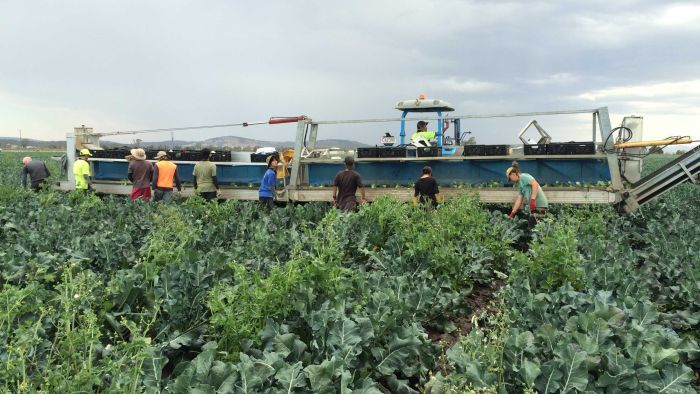
Major supermarkets in Australia have relaxed specifications for fruit and vegetables in an effort to get more fresh produce onto shelves during the COVID-19 pandemic.
Coles said it was working with farmers every day to ensure it could get as much of its produce to customers as possible.
“We have relaxed specifications around things like cosmetic blemishes, size, and appearance in consultation with our partners,” said a spokesperson from Coles.
Woolworths said it was also adapting its specifications for fruit and vegetables.
“We are working with all our suppliers to maximise the supply so we can meet this demand,” said Woolworths’ head of produce, Paul Turner.
You might like


“Our specifications are adaptable so we can respond to the quality, quantity, and availability of produce in the market.
“Customers may see some differences in size on some of our fruit and vegetables as we work with our growers to ensure continuity of supply.”
Second-grade produce easy to move
Troy Qualischefski from Qualipac Produce in the Lockyer Valley said second-grade vegetables had never been this easy to sell.
Stay informed, daily
He said he was currently harvesting broccoli and was having no problems finding a home for it.
“The specifications haven’t changed in our business, but what has happened is that the second-grade product — that in an oversupplied market never used to have a home
— all of a sudden has a value,” he said.
“So we are able to move some out-of-spec products through other avenues.
“The weather has been quite kind for harvesting so we haven’t had a lot of second-grade product, but what we do have is quite easy to sell — say, a pumpkin with a growth crack or something like that.”
Qualischefski said the shortage of fruit and vegetables was not just due to COVID-19.
“A lot of the shortages [of fruit and vegetables] are still from overhang of the drought and it’s come coupled with the coronavirus. That’s where the extremely high prices have come from,” he said.
“We know ourselves our production is down about 50 per cent due to the drought for the next six weeks, and then we’ll start to ramp up now we’ve had rain.
“COVID-19 has probably helped demand a little bit, but the shortages would still have been there regardless.”
– ABC / Lydia Burton
Want to see more stories from InDaily Qld in your Google search results?
- Click here to set InDaily Qld as a preferred source.
- Tick the box next to "InDaily Qld". That's it.



