Safe shopping: How to avoid virus risk at supermarket
Going out into the world to buy essentials is one of the few things we’re still encouraged to leave the house to do — and a trip to a supermarket to buy food is, for most people, unavoidable.
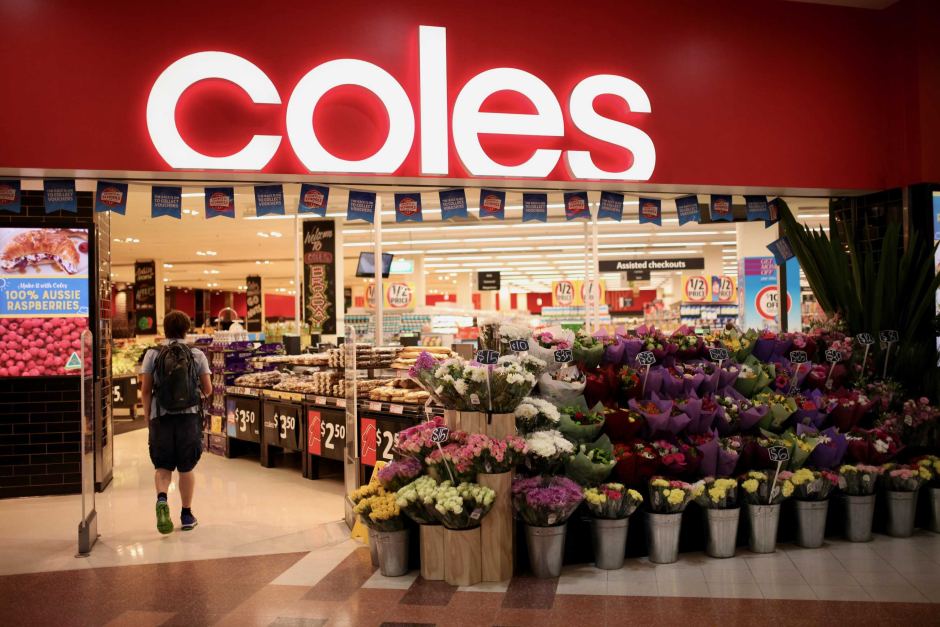
As social distancing rules have come into force over the past few weeks panic buying has left shelves devoid of staples, supermarkets have changed their opening hours and increased measures to keep shops clean.
Both Coles and Woolworths have also scaled back their delivery services with the aim of prioritising vulnerable people who can’t go to the shops themselves.
So for the rest of us, here’s how you can minimise the risks on your next shopping trip.
What are the main risks?
Going to the supermarket requires you to touch surfaces shared by other people — shopping trolleys, baskets and self-serve checkouts to name a few.
Meru Sheel, an infectious disease epidemiologist from the Australian National University, said that made it difficult to follow the health advice to not touch hard surfaces, where the virus can survive for several days.
“You can’t really do that while you’re shopping,” she said.
Supermarkets have increased efforts to sanitise everything from trolleys to conveyor belts, but Dr Sheel said the need to wash your hands and avoid touching your face was paramount.

You might like


“You want to come home as quickly as possible, but if you have access to a toilet at the shopping centre go and wash your hands with soap and water immediately, or use a bit of alcohol-based hand sanitiser to clean and disinfect your hands,” she said.
“Also minimise touching your face without cleaning your hands. That’s the biggest thing.”
The major supermarkets have all taken measures to minimise the risk of coronavirus spread in their stores, including marking spots on the floor to help customers keep their distance from one another.
Shoppers are also being urged to minimise the amount of time spent out of the house, prompting Queensland Chief Health Officer Jeanette Young to call for an “old-fashioned” approach to your shopping trip.
“I would recommend going back to the old-fashioned way that we used to do it, which was to write out a shopping list, know what you want to buy, go in, buy it, and leave,” she said.
“Don’t stay there and look around or catch up with people. Go to the shops and do that quickly and efficiently.”
Dr Sheel said the risks did increase in areas where community transmission of the virus was happening, but that the same advice applied.
She also stressed that people who were unwell — even if they had not tested positive for COVID-19 — should stay home, well away from the produce aisle.
Can you get coronavirus from food?
Congratulations, you’ve successfully navigated the shops without touching your face, arrived home and washed your hands.
But how about the food you’ve just bought?
If the apples you’ve just purchased have been handled by other people, will they be safe to eat?
Stay informed, daily
Cathy Moir, a microbiologist from the CSIRO who specialises in food safety, said the risk exposure to coronavirus from fresh fruit and vegetables was low.
“The coronavirus is a respiratory virus, it’s not a food-borne virus. If you actually eat it, then it is not known to be transmitted,” she said.
Ms Moir said while you would not contract the virus by eating it, there was a slight chance it could be transmitted via surface contact.
Dr Sheel said the standard food safety advice — that fruit and vegetables should be washed before consumption — applied.
“I think, where possible, washing your fruit and vegetables is advised, as with a lot of bugs anyway,” she said.
“I haven’t seen any evidence appear of [coronavirus] outbreaks being caused by contaminated vegetables.”
What about my shopping bags?
Increased concerns about touching shared surfaces has led to calls from some, including NSW Deputy Premier John Barilaro, for single-use shopping bags to be reintroduced to supermarkets.
“Its time to suspend the use of recycled bags. Like refillable keep-cups, there’s no guarantee what these products have been exposed to. This is to protect the cashier and every customer that goes through the registers,” he tweeted last week.
“Time to bring back single use plastic bags.”
Dr Sheel said she was not aware of any evidence of shopping bags transmitting the virus, but said it was possible in theory.
“If an infected person is carrying that plastic bag and then they pass it on to somebody else, it’s possible that it will pass from one person to another,” she said.
But, rather than making a list of things that can and cannot be touched, Dr Sheel suggested a better way to minimise risk was the tried and true method of hand hygiene and abstaining from face touching.
“There’s so many things we touch and so the basic principle is if you touch something avoid touching your face, wash your hands before you eat or drink, wash your hands as often as you can,” she said.
“It’s really difficult to pinpoint every single option and it probably causes more confusion in some ways.”
– ABC / Jordan Hayne
Want to see more stories from InDaily Qld in your Google search results?
- Click here to set InDaily Qld as a preferred source.
- Tick the box next to "InDaily Qld". That's it.



