Export deal a lifeline for producers, with an added bonus for hospitals
The Australian Government will relaunch hundreds of flights to deliver fresh produce to key international markets as part of a $170 million boost to an export sector grounded by the coronavirus emergency.
The support package includes $110 million to coordinate flights from Melbourne, Sydney, Brisbane and Perth to deliver fresh produce to China, Japan, Hong Kong, Singapore and the United Arab Emirates.
Return flights, under the program, will provide an opportunity for Australia to import medical equipment and medicines.
Today’s announcement by Trade Minister Simon Birmingham also waives $10 million in Commonwealth fishery fees and adds almost $50 million to the Government’s existing export grants program to reimburse marketing costs to exporters.
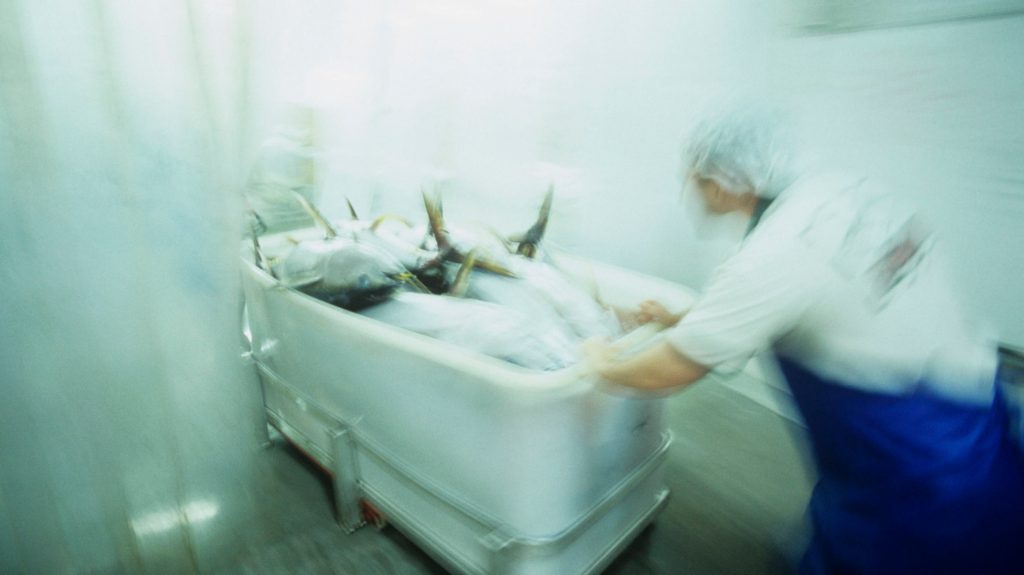
The exports lifeline follows months of uncertainty for the seafood sector, hit hard when markets in China collapsed early in the COVID-19 crisis.
Other winners include red meat, dairy and horticulture exporters that have relied on cargo in passenger aircraft to deliver their produce.
Since new regulations on air travel were introduced to curb the spread of the pandemic, exporters, fishers and farmers have struggled to maintain access to high-value overseas markets.
The Government has appointed former Toll Holdings managing director and former Linfox chief executive Michael Byrne as its international freight coordinator to oversee the program, working with airlines and exporters.
You might like


“Necessary public health restrictions are already placing massive pressure on business viability and job security,” Senator Birmingham said.
“We can’t afford for our farmers, fishers and exporters to be under similar pressure just because they can’t get their goods onto a plane.
“When these flights return to Australia there will be capacity for them to transport vital medical supplies, medicines and equipment, which will be critical to the ongoing health response.”
West Australian abalone exporter Brad Adams has seen his sales plummet since Hong Kong, Singapore and China went into lockdown.
About 80 per cent of his product is sent overseas, with the remaining 20 per cent sold around Australia.
Before the pandemic, his ASX-listed company, Ocean Grown Abalone, had a market value of $30 million. That’s now halved.
He said the Government freight assistance wouldn’t solve all his financial problem, but it was a lifeline.
“The market we had in Australia has collapsed because there’s no restaurants open, there’s no Chinese tourists, so that important market is gone and probably will be gone for a long time,” he said.
Stay informed, daily
“Overseas, obviously demand isn’t what it used to be, but at least we can now get some out.”
Mr Adams said, with restrictions lifting in Asia, he had already started to receive orders from customers.
But the lack of commercial passenger flights in and out of Australia had left his product stranded.
“As the COVID-19 restrictions have been reasonably successful, people are now on the streets, eating out as usual, so we’re seeing our customers start placing orders again,” he said.
“So we thought great, we’ll send you some product. Then we started finding out about the options of getting air freight — there was no way of getting it out.”
Jennie Franceschi sources fresh fruit and vegetables from around Australia, to send to customers overseas, mainly in Asia.
In the past four weeks her export business has ground to a halt.
While she did not expect much improvement in the months to come, she said the Government freight assistance would be an important tool to help secure ongoing trade.
“By keeping Australian exporters exporting and keeping our produce out there, what it will do is secure the position for Australia in those countries,” she said.
“Because if other countries move in, then we’ve got to try and win it back, which is hard slog.”
– ABC / national rural reporter Kath Sullivan
Want to see more stories from InDaily Qld in your Google search results?
- Click here to set InDaily Qld as a preferred source.
- Tick the box next to "InDaily Qld". That's it.



