Holidays are here and parents, tourism industry say a silent prayer
Accommodation operators are dusting off the no vacancy signs as visitors return to enjoy the school holidays after enduring the coronavirus lockdown.
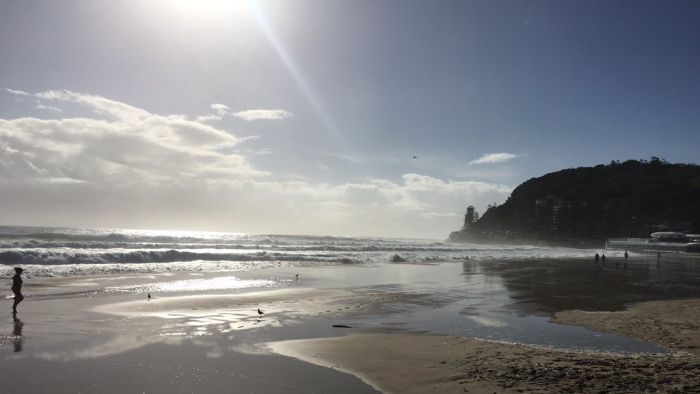
For most families, today’s arrival of the school holidays is the first chance many will have to take a much-needed break since the onset of coronavirus lockdowns and the horrors of homeschooling.
With interstate borders still closed and international travel off the cards until at least next year, many will spend their school holidays exploring their own back yard.
The latest Tourism Transport Forum report showed Queensland’s $28 billion tourism industry has lost $2 billion a month while the state’s borders have remained closed.
In response, the Government has urged Queenslanders to spend their money in hard-hit, revenue-stricken areas of the state to help local tourism operators get back on their feet.
Tourism Minister Kate Jones said Queenslanders are eager to enjoy a well-deserved break, which will provide a much-needed economic injection to the state’s regions.
“One in two Queenslanders have either booked a holiday or plan to book a holiday across Queensland,” Jones said.
“That’s a real shot in the arm for the tourism industry when it needs it most.”
So how are Queensland’s tourism hot spots and regional centres coping and are they beginning to see a growth in confidence as tourists gradually return?
Gold Coast
While the Gold Coast has been among the hardest-hit areas in the state, Destination Gold Coast CEO Annaliese Battista said accommodation providers have reported an increase in bookings this month.
She said last-minute bookings for overnight stays were on the rise, but interstate bookings were still non-existent due to border closures.
“Destination Gold Coast launched a new $1.5 million Queensland-focused marketing campaign last week, as part of our four-phased recovery plan to entice visitors to come back and play,” Battista said.
With Gold Coast theme parks now open, major hotel chains are also flinging open their doors to tourists.
You might like


Numbers remain slow, with a lot of interest but few bookings.
Noosa
Further north on the state’s Sunshine Coast, things are looking better.
Tourism Noosa CEO Melanie Anderson said the popular seaside town of Noosa has finally come alive again with visitors.
“A few months ago, in the middle of the lockdown, crabs were crawling all over Hastings Street — it was literally a ghost town,” Anderson said.
“Now the iconic main street is brimming with people and it feels good.”
Anderson said tourists from Sydney and Melbourne accounted for a big chunk of Noosa’s winter holiday market, so local business owners were feeling the impact of border closures.
Despite this, Ms Anderson said accommodation operators were seeing occupancy rates climb.
“With 70 per cent of resorts now open, they’re seeing occupancy rates of 85 per cent [so] the vibe is good,” Anderson said.
Sunshine Coast Council’s three local caravan parks aren’t yet at full capacity, but manager Jason Fillipini said he expected to see an uptake in short stay bookings over the school holidays.
He said while he’s looking forward to borders reopening, the restrictions had encouraged Queenslanders to travel in their own back yards — a silver lining for the struggling sector.
Agnes Water and Fraser Island
Further north on the sun-swept coastline, the mood in the tourism-dependant towns of Agnes Water and 1770 has changed after visitors slowly began returning.
Discovery Coast Tourism president Amber Rodgers said there’s a renewed sense of optimism among locals.
“Everyone is so positive. The relief has set in because we know they have chosen to come to our area,” Rodgers said.
“It’s not until you see the cars and caravans arrive in town and the extra people filling the streets that you realise it’s so great.”
Gus Steadman, Gladstone Area Promotion and Development Limited CEO, said people were coming to the Gladstone region from all over Queensland.
“[The] Agnes Water 1770 region has had the no vacancy signs dusted off,” Steadman said.
“A few of them are reporting that they’ve got good, strong bookings for a couple of months, which is very encouraging after having three months of nothing.
“I think people’s desire to get out and about has been a light at the end of the tunnel for our tourism operators.”
Stay informed, daily
Units and motels in the Bundaberg region have reported average occupancy rates of 80 per cent for the first week of the school break, while the Fraser Coast’s weekly occupancy rate is sitting just above 50 per cent.
Fraser Coast Tourism General Manager Martin Simons said Fraser Island’s Kingfisher Bay Resort was recording higher bookings compared to the same time last year.
Mount Isa, Winton and the Outback
In the state’s rugged Gulf Country region, Verena Olesch, the Carpentaria Shire Council’s general manager of tourism said this holiday period was surprisingly shaping up to be “on par with previous school holiday periods”.
“We’re definitely seeing a lot more families, so the grey nomads who traditionally come from Victoria and New South Wales obviously are not on the road yet,” Olesch said.
“It definitely has been a bit of a shift with young families but they’ve been really good because a lot of them have come to Karumba or Carpentaria for the very first time and they say they absolutely loved it and they’re going to come back more often.”
One such family making the trip to Queensland’s outback are the Hannah family, who are braving the 1355km road trip to Longreach and Winton these school holidays to see dinosaur bones.
Mum Jenny and her husband Luke described being stuck in their Brisbane home for more than three months with their three children during the coronavirus lockdown as “groundhog day”.
“We just can’t wait. My husband, who works in telecommunications, has only left our house twice since March,” Ms Hannah said.
“It will be lovely to get away. Freedom — as much as a road trip with three young children can be.
“Once [we saw] the ‘Queensland, you’re good to go’ campaign, we said ‘let’s do it’ and planned the trek.”
Keen to support the ailing tourism industry in outback Queensland, the Hannah family said they’re looking forward to a well-deserved post lockdown adventure.
The Granite Belt
In the cool high country of the Granite Belt region near the New South Wales border, visitors have been booking up the area at record numbers for the months of June and July.
Southern Queensland Country Tourism CEO Peter Honan said the Granite Belt was currently “the standout” area for tourism in the region.
“The weekends are always busy in the Granite Belt this time of year and then the mid-weeks sometimes are harder to fill up, but at the moment they’re all full,” Honan said.
“It’s been really, really solid — they’re putting bookings in on days where they don’t normally have people.
“Everyone loves that image in their head of a fire roaring and a glass of red wine and a cosy cabin somewhere down in the Granite Belt.”
Townsville
Meanwhile, in the tropics of north Queensland, many businesses in Townsville have experienced a slump in bookings during what would usually be its peak visitor season.
Lisa Woolfe, Townsville Enterprise tourism director said the drive market had been critical due to limited flights to the state’s north.
“The booking window has reduced, we’re obviously relying on a more localised market than what we’ve seen in the past and we don’t have events happening as well,” Ms Woolfe said.
“After being locked up for such a period of time, [people] are looking for outdoor escapes — so the caravan parks, camping facilities, tours, they’re doing quite well at the moment.”
– ABC / Lexy Hamilton-Smith and staff
Want to see more stories from InDaily Qld in your Google search results?
- Click here to set InDaily Qld as a preferred source.
- Tick the box next to "InDaily Qld". That's it.
- Amber Rodgers,
- Annaliese Battista,
- Carpentaria Shire Council,
- Destination Gold Coast,
- Discovery Coast TourismAgnes Water,
- Fraser Coast Tourism,
- Gladstone Area Promotion and Development Limited,
- Gold Coast,
- Gold Coast tourism,
- Granite Belt,
- Gulf Country,
- Gus Steadman,
- Lisa Woolfe,
- Martin Simons,
- Melanie Anderson,
- school holidays,
- Southern Queensland Country Tourism,
- Sunshine Coast Council,
- Tourism,
- Tourism Minister Kate Jones,
- Tourism Noosa,
- Tourism Transport Forum,
- Townsville Enterprise,
- Verena Olesch



