Getting into a stew over the roo, but wattle this do to our reputation?
Ten days after it was revealed by InQueensland’s Robert MacDonald, Australia’s new nation brand has received a mixed reception locally. Is that unexpected?
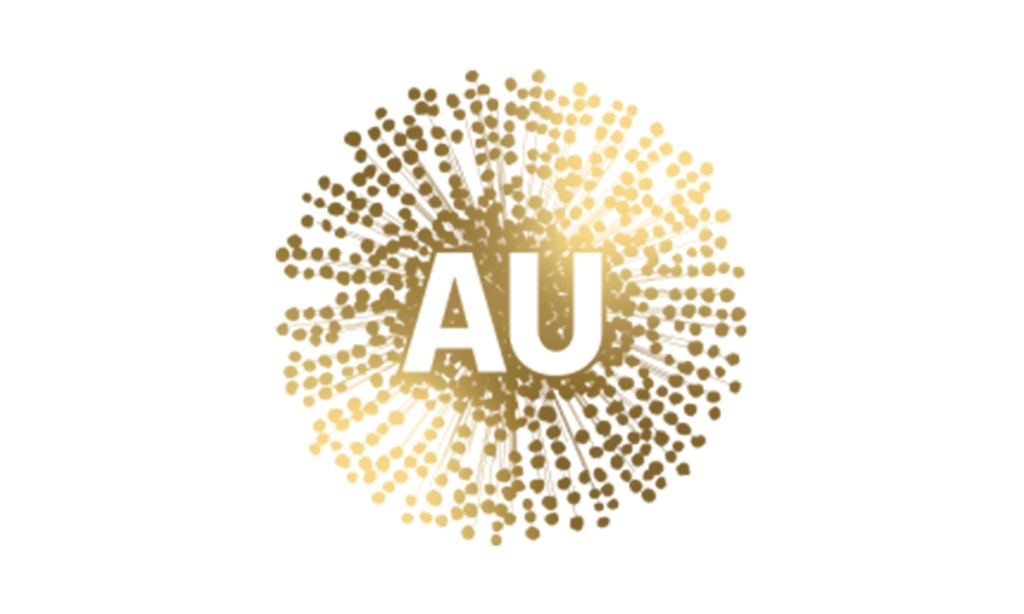
MacDonald wrote that Australia would be getting a new nation brand, a country logo, on the recommendation of a federal government advisory council headed by mining magnate Andrew ‘Twiggy’ Forrest.
“Our proposed nation brand mark balances a literal and abstract interpretation of a wattle flower. It’s an optimistic burst of gold positivity,” the council’s report to Minister Birmingham said.
“Co-created with our Indigenous design partners Balarinji, the mark is embedded with a cultural richness and graphic voice that speaks distinctively of Australia.
“The hearty resilience of the wattle has come to represent the enduring spirit of the Australian people. This small, beautiful flower is an organic burst of positivity – in bright joyous gold.
“It speaks of warmth, expanding ideas and horizons, with the pollen-laden stamens radiating a sense of energy and dynamism. It is an authentic national symbol that is elegantly and undoubtedly Australian.”
Yet MacDonald saw a missed opportunity, in a brand that is not so easy to recognise as Australian. And, this week, public opinion seemed to have been on his side.
Like MacDonald, a former Australian trade commissioner, most people felt the kangaroo was emblematic of Australia and an obvious calling card. Wattle might be Australia’s national flower, but even Australians don’t necessarily feel its warmth.
You might like


Amid the somewhat belated public outcry, the kangaroo on Made in Australia logos was somehow caught in the crossfire, and authorities had to explain that it would remain. Its recognisable brand was, in fact, one of the reasons the advisory council went with wattle – it would be easier to offer a new brand than add another kangaroo to the marketing mix.
Prime Minister Scott Morrison took a diplomatic approach to the new brand, releasing a statement that “whether it’s the green and gold kangaroo or some extra new way of standing out, the world is going to know what buying Australian means”.
Deputy Prime Minister Michael McCormack felt the wattle “looks pretty good”.
“The marsupial is staying, we can have both flora and fauna,” McCormack offered.
One Nation NSW leader Mark Latham, however, declared “it’s a complete fiasco that should be chucked in the bin”. Tabloid columnists called the $10 million cost of rebranding outrageous in a time of economic uncertainty.

On social media, many people could only see similarities between the wattle and the novel coronavirus, SARS-CoV-2. As chef, writer and UNICEF Ambassador Adam Liaw explained, maybe it was just bad timing.
“Unpopular opinion, but pre-COVID this would’ve been great,” Liaw tweeted.
Stay informed, daily
“Gold and the “Au” mark (also the elemental symbol for gold) establishes Australia as a premium brand, particularly through Asia. The kangaroo logo is phenomenally dated and does us no favours.”
It’s also bad timing in Australia’s relationship with China. Morrison’s calls for an investigation into the origins of COVID-19 and, this week, his announcement of Defence spending, have caused tensions. Chinese newspaper and community party propaganda outlet The Global Times portrayed Australia’s new brand as a “sign of the growing anxiety over its trade prospects amid its deteriorating relationship with China – its largest trade partner”.
While clearly self-serving, such commentary underlines the fact that the success of the new brand will depend not on what Australians think of it but how it is received in other countries. Some Australians would be unaware that Australia has an image problem in some markets. International research has shown Australia is better known for being beautiful, and nice to visit, than its culture or innovation (one brand analyst described Australia as the world’s dumb blonde). Violence against overseas students made Australia seem even more dangerous. Rising costs, and the demise of Australian manufacturing, undermined the nation’s can-do attitude.
When the advisory council was established, Australia risked falling out of the top-10 countries on certain international rankings, threatening the nation’s share of tourism, international education and investment – the very industries now struggling the most in the pandemic. The new brand is expected to still feature in the economic recovery program, as the research found even a nominal increase in the rankings could deliver multibillion-dollar benefits.

Documents released under Freedom of Information laws show the advisory council always expected some difficulty uniting people, industries and ideas, under one brand. As Forrest told the council’s first meeting in 2018, Australia is a nation of contradictions, after all.
“We think we are young, yet we have one of the oldest indigenous people and cultures; we love to win, but hate winners – we like the underdog, observe the tall-poppy syndrome; we recognise our colonial past, yet are anti-Establishment and like to challenge authority,” Forrest told a meeting at Parliament House, according to the minutes.
“There’s a certain resiliency and toughness around Australians that exhibits in many industries, e.g. our dancers jump higher, turn quicker. (But we) often seek external, overseas validation before we achieve domestic recognition.”
Forrest spoke of Australia having to look to the future, but he obviously did so long before COVID-19, and before the trade relationship with China hit a rough patch. It remains to be seen whether, to draw on his words, the brand will receive the external, overseas validation required for it to achieve domestic recognition.
Want to see more stories from InDaily Qld in your Google search results?
- Click here to set InDaily Qld as a preferred source.
- Tick the box next to "InDaily Qld". That's it.



