Get set to sizzle: Mercury to top 40 for three days from Sunday, says BOM
Queensland is bracing for punishingly hot conditions to hit the state with a heatwave forecast in the coming days.
Bureau of Meteorology (BOM) senior meteorologist Dean Narramore said the heatwave would be worse interstate in the next few days, but would move into north-east New South Wales and south-east Queensland on Sunday, Monday and Tuesday.
“We’re expecting extreme heatwave conditions to develop … we could see western parts of the suburbs in Brisbane, three or four days in a row at or above 40 degrees,” he said.
The mercury is forecast to rise in Queensland’s south-west first — the Channel Country, Maranoa and Warrego regions.
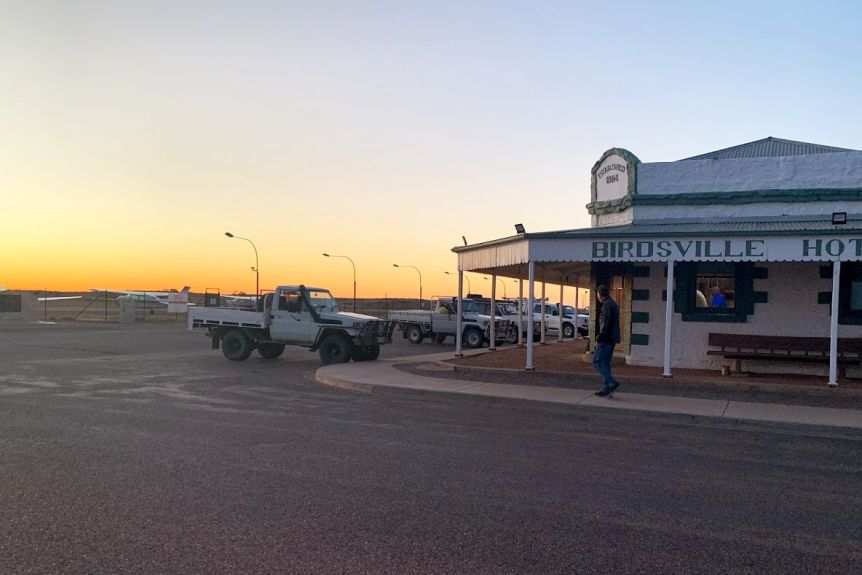
“Temperatures are likely to be in the mid to high 40s. Birdsville’s looking at a few days around 45 or 46,” Mr Narramore said.
“Some of that heat is then going to move into the Darling Downs and the more populated areas of south-eastern Queensland as we move into early next week.”Queensland Ambulance Service spokesman Lachlan Parker said older people, very young children and anyone with cardiovascular or respiratory illnesses were at particular risk for heat-related illness.
You might like


He encouraged people to check on family members or neighbours living alone and take steps to manage the risk.
“It’s important to note that while most Queenslanders are familiar with the risks associated with heat-related illness, we need to make sure we don’t become complacent, because heat-related illness can cause death,” he said.
Paramedics advise drinking plenty of water, staying inside in air-conditioning, and wearing loose-fitting clothing to try and beat the heat.
Overnight minimum temperatures are expected to hover in the low to mid-20s.
Stay informed, daily
“If we can get our core temperature down every night, we can overcome the heat-related illness, but if we have several days of high temperature, the body is unable to reset itself,” Parker said.
“Make sure you have fans on, don’t be afraid to have a cool shower before you go to bed, make sure the the air-conditioners are on, and the idea is about reducing your core body temperature so then when you start the next day, and if it gets hot, your body has a head start.
“We always see a drop in temperature but [nights] will still be warm.”
The onset of heat stress usually involves profuse sweating, fatigue and muscle cramps.
“When it progresses to where someone’s confused, or they stop sweating and the body is shutting down, that’s a real alarm,” Parker said.
Parker reminded people to make sure no children or animals were left in cars, and said people working in trades should start their shifts early and be mindful of the high temperatures.
– ABC / Emilie Gramenz
Want to see more stories from InDaily Qld in your Google search results?
- Click here to set InDaily Qld as a preferred source.
- Tick the box next to "InDaily Qld". That's it.



