Careful where you stomp, there may be a sports star down there on the floor
We always think we know our sporting superstars – until we don’t. Things are not always as bad – or as simple – as they appear on the surface, writes Michael Blucher
A few years ago, there was an NRL player pulled through the public ringer for peddling team merchandise, under the guise of “charitable donation” but more truthfully for his own commercial gain.
That was what the media told us. Appalling behaviour – six figure salary and here he is, ripping pennies out of Grandma’s purse by pretending he was helping those less fortunate, when the ill-gotten gains were going straight into his pocket. It was all they could do to refrain from naming him, and heightening the public scorn.
The media didn’t tell us he had a brother with special needs. Or that his mother and father had just gone their separate ways.
They certainly didn’t reference the fact that in the build-up to his “crime”, the young footballer had found one of his best mates hanging from a tree in the family back yard. The footballer was the first responder – the one who called the police.
In fairness, I’m not sure they would have been aware of that. It was kept pretty quiet.
So too, the hunting trip a month or so prior, where an uncle had suffered a fatal heart attack. The footy star and his other brother had little choice but to drive 350km, back to the nearest police station, with their dead uncle propped up beside them in the front bench seat of the ute.
A pretty torrid few months for the young bloke. Then, come footy season, he’s got the added pressure of performing on the public stage. By some minor miracle, he avoided his life spiralling out of control.
You might like


Yeah, but how ‘bout that dodgy merchandise? What a disgrace.
We never really know what’s going on in people’s lives, do we? What causes them to act the way they do, to err, even cross the line between right and wrong.
On the surface, you’d be reluctant to condone an elite level sportsman, apparently earning very good money, dipping his hand deeper into the honey pot and helping himself to more.
But on the surface is not where too many people are living their lives. They’re shaped by the events, the experiences, the people who’ve been around them since year dot. They develop values and beliefs and attitudes that meet their need for survival, but might not necessarily align with those who are critiquing their behaviour.
That’s when we get judgmental. We’re all guilty of it from time to time. For some, it’s more decade to decade.
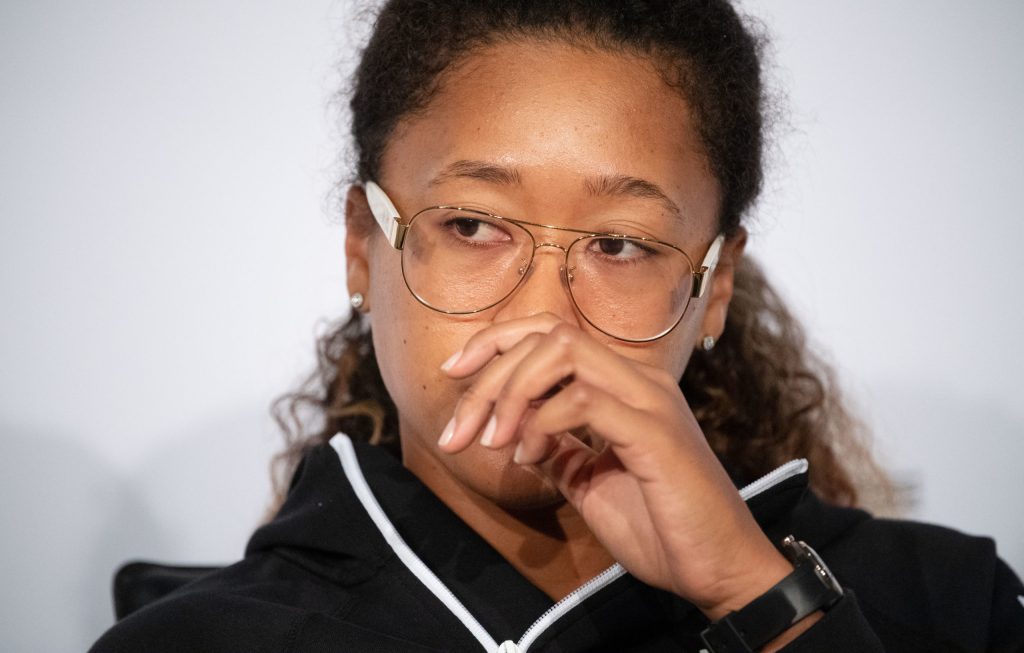
You can make excuses for the young NRL player, or not. In the eyes of many, he’s still as guilty as sin. But his cruel run of circumstances got me thinking about the current challenges of Japanese tennis star Naomi Osaka.
In case you’re a bit behind, Osaka bailed out of French Open media conferences at Roland Garros on the grounds that she was struggling mentally, and ill-equipped to cope with the pressure and scrutiny. Fined for not fulfilling her contractual obligations, she was threatened with expulsion from the tournament before withdrawing herself.
There are plenty calling bullshit, claiming she just didn’t want to answer questions about her vulnerability on clay.
Stay informed, daily
And then there’s a chorus calling bullshit on the bullshit, appalled and incensed that authority figures could be so cruel, so dismissive of the young star’s assertions of depression and mental illness.
The media meanwhile, watch on, report back every gruesome detail, every family foot-fault, the players chipping in, offering their 10 cents worth, some sympathetic, some sceptical, others simply realistic.
Media – it’s all part of the job. You can’t stand the heat, get out of the kitchen. That sort of stuff.
What’s really going on with Naomi Osaka? How the hell would anybody know? Certainly not the punters. Most of the people calling bullshit.
The newspapers, of course, are content as long as there’s conflict and controversy. As for the mental health of the athlete, they can always run that lovely sincere line at the end of the story… if you know anyone who’s struggling – get them to call here. That cleans the slate for them. After all, they’re just doing their job.
And at one level, that’s true. But as a society, we need to be careful where we tread. Or even stomp. Particularly these days.
Yes, the rules are the rules. And athletes are bound by contracts that stipulate they have to do this and that. But what if something serious became of Naomi Osaka? What would happen then? Would we need to be worried about the mental health of the officials who’d questioned Osaka’s mental health? Where does it end?
I think most reasonable people can see both sides of this argument. And no matter which way you lean, there’s a potential downside looming.
One question – where have all of Osaka’s “people” been during this showdown? Managers, agents, mentors, coaches, confidantes – there’s normally a veritable army lurking behind the scenes, ready to step in and take control, articulate clearly and rationally what is going on, and negotiate on the clients’ behalf if it’s required.
And yet the only ones we’ve heard from in the Osaka camp are her rapper boyfriend and an emotionally-charged sister, both no doubt well-meaning, but neither equipped to meaningfully advance Osaka’s complex situation.
Genuine insight into her circumstances and challenges may help secure her the compassion she needs and deserves.
Because as is becoming clear, with professional athletes, despite the mirage of an apparently privileged existence, we never really know what’s stirring below the surface.
Want to see more stories from InDaily Qld in your Google search results?
- Click here to set InDaily Qld as a preferred source.
- Tick the box next to "InDaily Qld". That's it.



