Hands off: Miles vows autonomy for councils as rates row rolls on
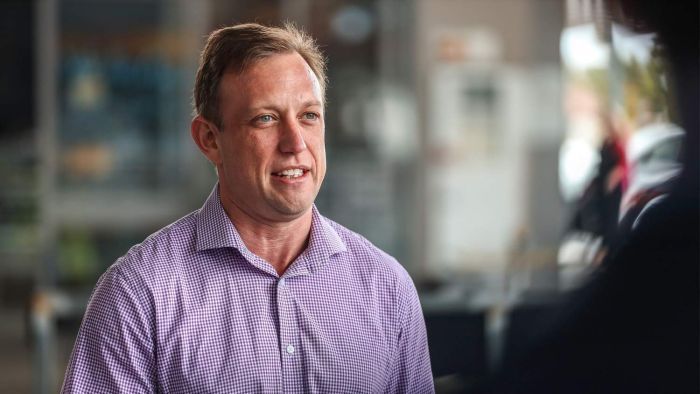
Deputy Premier Steven Miles has backed councils to set rates without state government interference, despite a new report warning that the hands-off approach could be inviting trouble as farm land values rise.
The report commissioned by Queensland Canegrowers was compiled in the wake of landholder uproar in the Bundaberg region, following rate increases as high as 235 per cent in the local council’s June 2020 budget.
With council budgets due to be handed down in the new financial year, a consortium in Bundaberg fighting the rate rises says the report by Queensland Economic Advocacy Solutions (QEAS) painfully highlights what can happen when councils are enabled to set rates without external controls.
The report’s authors conclude that a “dangerous situation” is created “when land values are reassessed upwards and councils take no action in their rating practices – instead capitalising on revenue windfalls”.
The QEAS report also recommends: “There needs to be greater coordination between the council and the Queensland Valuer-General and the alignment of timeframes for ample feed into council budget processes to ensure councils are aware of and are able to respond to ensure bill neutrality from land revaluation processes.”
Using Bundaberg as an example, the report’s authors say the “simplest fix” is for Bundaberg Regional Council to adjust the agricultural category rate for 2021-22 to ensure overall bill or revenue neutrality compared to the 2019-20 financial year.
“There is also an opportunity to improve the way rating practices occur for agricultural farms, with a view to ensuring no adverse or unintended consequences when a land value reassessment occurs and the impact this may have on the final rate bill for each farm,” the report said.
You might like


In line with legislation governing the setting of rates, Miles, who is also the Local Government Minister, said local councils had his backing to decide rates appropriately.
“Under legislation, the level of rates landowners pay, including any concessions are set by councils,” he said.
“Councils are also responsible for ensuring the rates they charge are fair and equitable.
“It’s important councils are able to act independently.”
But the report, also endorsed by local AgForce representative Tom Marland, says massive farmland rates adversely affect the whole community and that special “farmer-friendly” council rates are required to minimise the damage.
A key finding of the report showed Bundaberg’s agricultural rate was about 37 per cent above the average residential rate, indicating more reliance on agriculture to support council revenue.
Stay informed, daily
Marland said the report reinforced his view the rates increases were an unjustified council cash grab that could have been avoided.
“This verifies everything we have said from the start, and more, namely that Mayor Jack Dempsey and his councillors did have, and still have, a choice around these rates rises on farmland. They didn’t have to apply them, and they can choose to reverse them,” he said.
“The farmer consortium will expand this report to cover all producer sectors in our region so that everyone in our community can see the scope of the damage being inflicted by our own mayor and councillors.”
After initially contacted before it had seen the QEAS report and declining to comment, Bundaberg Regional Council later released a statement via its finance spokesman Councillor Steve Cooper, who said the report correctly found Bundaberg’s rates in alignment with other councils.
He said the report failed to acknowledge the Bundaberg region had a single agricultural category and did not differentiate between land uses for farming activity.
“We do this because many landowners grow different crops and it’s not practical to change rating systems because someone has a mixed farm, switches from sugarcane to peanuts or sweet potatoes, or vice-versa,” he said.
Cooper said the report made a number of recommendations which could only be considered at state level.
“The fact is that council rates are determined by valuations,” he said.
“If Canegrowers and AgForce want to change this, they should be talking to the State Government and not complaining to local government when their rates rise by the same amount as their equity.”
Want to see more stories from InDaily Qld in your Google search results?
- Click here to set InDaily Qld as a preferred source.
- Tick the box next to "InDaily Qld". That's it.



