Spirit of place: Research unearths key to improving Indigenous mental health
Evidence is emerging out of regional Queensland that Indigenous health will fare better when connections to traditional grounds are restored or maintained.
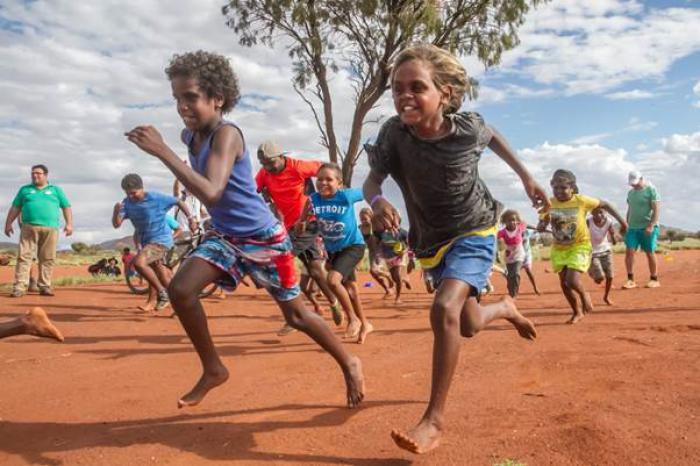
A University of Queensland researcher is calling for an overhaul of how mental health in Indigenous communities is treated, saying current clinical approaches are failing.
UQ Rural Clinical School researcher Dr Bushra Nasir said mainstream treatment models fail to incorporate the Indigenous understanding of mental health.
“Our results show that treating depression in Indigenous communities should extend beyond just clinical approaches,” Nasir said.
“Retaining culture, spiritual beliefs, autonomy and a connection to Country will have a significant impact on improving Indigenous mental health and wellbeing.”
Nasir said there’s also emerging evidence of the link between health and Indigenous connections to traditional grounds.
“Culture and identity were found to be central towards perceptions of health and wellbeing of Indigenous Australians, not just individually, but as a community,” she said.
“Rates of mental disorders for those residing on Country have been identified as about half of those in mainstream communities.
You might like


“Evidence suggests positive health changes are experienced when Indigenous people reside, work and live on Country.”
The study was conducted over six months in consultation with Elders, psychologists, mental health workers, Aboriginal Medical Services (AMS) staff and current and former users of health services.
Led by Faculty of Medicine Associate Dean (Indigenous Engagement) Dr Maree Toombs, researchers interviewed three focus groups, drawn from the Darling Downs and south west regions of Queensland.
“Mental illness is a significant burden for Indigenous Australians,” Toombs said.
“Previously, the Australian Burden of Disease Study found that mental and substance use disorders were the leading cause of ill health among Indigenous Australians.
“Rates of psychological distress among Indigenous Australians are at least twice the rate of the general population.
“Recent evidence indicates that the prevalence of common mental disorders among Indigenous Australian adults is more than four times that of non-Indigenous Australians.”
The UQ researchers are now developing an Indigenous Model of Mental Health Care (IMMHC) for culturally appropriate and effective treatment options.
Stay informed, daily
“The aim of the IMMHC is to evaluate and lessen the severity of depression symptoms,” Toombs said.
“Connection to culture and Country were described as inalienable Indigenous rights, and as pathways to improved health and wellbeing outcomes.
“Elders highlighted that enabling access and connection to country and sacred sites would enable teaching and strengthening of culture.
“The Elders also raised the issue of insufficient funding and a recommendation was made for Indigenous communities to have independence and decision-making authority.”
The findings have been released during NAIDOC Week, which this year has been themed: Healing Country: embracing First Nation cultural knowledge and understanding.
The UQ health development also coincides with a state government announcement to open up $500,000 in funding to be allocated as grants to Aboriginal and Torres Strait Islander organisations involved in conserving land and sea.
“First Nations communities have played a central and powerful role in caring for environment, culture and heritage for tens of thousands of years,” Environment Minister Meaghan Scanlon said.
“Projects can include anything from conservation of cultural sites and events to sharing knowledge of country across generations, habitat restoration and traditional fire management.
Want to see more stories from InDaily Qld in your Google search results?
- Click here to set InDaily Qld as a preferred source.
- Tick the box next to "InDaily Qld". That's it.



