Spring in our step: Recession dodged for now as Queensland business splurges
Australia has escaped the prospect of a recession for now with the national economy growing at surprising pace in the June quarter.
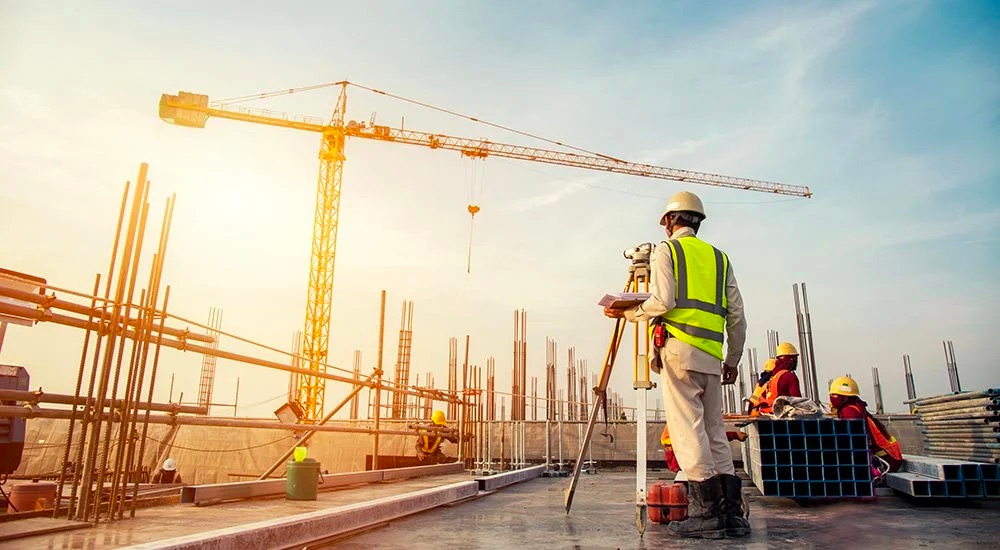
The Australian Bureau of Statistics clocked the economy at a growth rate of 0.7 per cent for the June quarter, well above expectations.
Some economists had been tipping a negative result for the June quarter which would have combined with the dire figures expected for the current September quarter to produce a recession, which is two consecutive quarters of a contracting economy.
That won’t happen now, but darker clouds are on the horizon, with hard lockdowns in NSW and Victoria now likely to stretch into October presenting a huge challenge for the national economy.
However, the Queensland domestic economy is humming along. Its state final demand, which excludes exports, was up 2 per cent for the quarter, well above the national average, but below NSW’s June quarter growth rate of 2.2 per cent.
The figures indicate that business finally decided to spend and Treasurer Cameron Dick said private investment was the engine of Queensland’s economy in the June quarter, increasing by 5.7 per cent “driven by a remarkable 7.2 per cent growth in business investment”.
You might like
Deloitte Access economics partner Stephen Smith said the data reflected a “bumper period” for Australia, but he said a recession was still possible.
“The June quarter was the eye of the storm with just 7 per cent of the population locked down at any given time across the period. Since then, that share has averaged close to 45 per cent and we are seeing impacts of that flow through to business and jobs.
“As things stand that suggests we could see the economy shrink in the September quarter by more than 4 per cent.
“There is a very real chance that Australia has already entered its second recession within 24 months given the significant lockdowns in September quarter and likely ongoing impact into the December quarter.”
Stay informed, daily
The data from the Australian Bureau of Statistics showed Australian households also increased spending on services and dwelling investment was strong while spending on cars rocketed. A big drag on the economy was the fall in spending on hotels and cafes which is about 18 per cent below the pre-COVID levels.
AMP Capital’s Shane Oliver said Australia was still one of few major countries to see GDP well above pre-COVID levels, but “unfortunately it will see a set back this quarter”.
“Consumer spending rose 1.1 per cent with slightly faster growth in services as it continued to recover. The household saving rate fell to 9.7 per cent but remains high compared to pre-COVID. Expect another spike higher in the saving rate this quarter due to NSW and Victorian lockdowns,” Oliver said.
Adding to uplifting economic data was a report from RBC Capital Markets which predicted a booming price for Queensland’s coal exports.
The current spot price available to Queensland producers and forecasts for the rest of the year are already well ahead of forecasts made in the last Budget of $US130 a tonne.
“We have increased our third quarter and fourth quarter hard coking coal/met coal prices forecasts from $US140 a tonne and $US155 a tonne to $US200 a tonne and $US180 a tonne, respectively, but have maintained our $US150 a tonne estimates from 2022 onwards,” RBC said.
“While our forecasts are below spot ($US223 a tonne), we sit 20 per cent above consensus for the second half, as we expect the tight supply-demand thematic to remain over the second half.”
It said the China trade policies which have forced up the price of coal globally was a key risk.
CoreLogic has also reported house price growth of 1.5 per cent in August, which adds to the perception of increasing wealth.
Want to see more stories from InDaily Qld in your Google search results?
- Click here to set InDaily Qld as a preferred source.
- Tick the box next to "InDaily Qld". That's it.