Hard choices: Disabled fear what care they would get if they caught virus
People with disabilities were still being relegated to the bottom of the pile for coronavirus-related treatments while the risk of major pandemic outbreaks continued, according to Gold Coast doctor Dinesh Palipana.
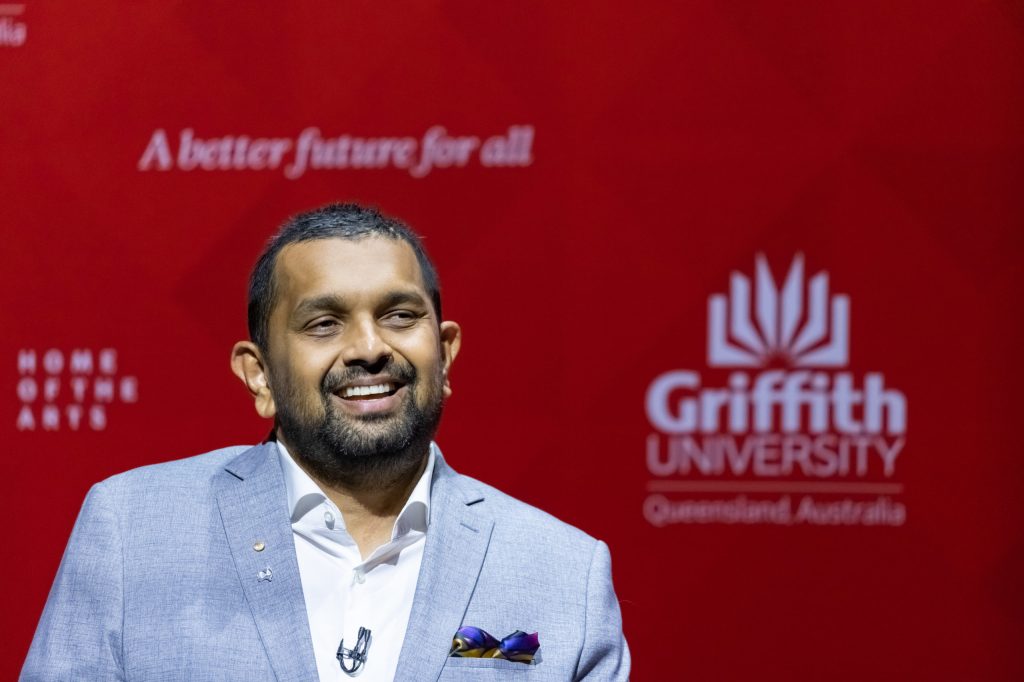
Palipana, a senior lecturer at Griffith University’s School of Medicine and Dentistry, said decisions around intensive care priorities for patients during the pandemic were complex, but the lives of people with disabilities clearly continued to be in the ‘lower strata’.
Palipana, Queensland’s Australian of the year, is the first person with a spinal injury to graduate as a doctor in Australia and Queensland’s first quadriplegic medical intern.
He told Griffith University’s In Conversation series at the Gold Coast’s Home of the Arts (HOTA) Tuesday evening that the pandemic had highlighted a system that ranked people with disabilities a lower priority.
While Australian anti-discrimination policies should ensure that intensive care not be based on “irrelevant and discriminatory considerations,” including disability, the reality was different, he said.
“I actually had a discussion with one of my best friends who is a doctor and who is a decision maker for some of the pandemic-related things, and they’ve always been very frank with me,” Palipana said.
You might like


“And they said the bottom line is, they need to give ventilators to people who will survive and that might not be you.
“It was a very confronting thing. But I think it fundamentally shows how we value life and how we think about people.”
Palipana said the pandemic had raised fears people with disabilities who contracted COVID may be pushed to palliative care or declined intensive care or ventilation, as was the case in some other countries.
“There are challenges in every aspect of life for people with disabilities – health, education, employment, accessing the community, domestic violence, financial abuse,” he said.
Stay informed, daily
“But I think the most startling thing for me over the past year that really highlights society’s views around the world has been the pandemic and how people with disabilities have been treated or viewed during the pandemic.
“And one of the most difficult things for me to see was the value of life and how we stratify that value of life.”
He said as a quadriplegic, he was not confident he would receive the same treatment as an able-bodied person if he contracted COVID in the midst of a major outbreak.
“One of the hidden things about a spinal cord injury is that my lung function is very different. It’s about 35 per cent of what is expected for someone of my characteristics.
“What if I were to get COVID? It would potentially be a catastrophic event,” he said.
“(But) I think conversations like we’ve had at the Disability Royal Commission have contributed to rapid responses and changes, and there has been a lot of work done to support people with disabilities through he pandemic. So, I think we’ve done better than most nations to be honest.”
Watch the full video below:
Want to see more stories from InDaily Qld in your Google search results?
- Click here to set InDaily Qld as a preferred source.
- Tick the box next to "InDaily Qld". That's it.



