It all adds up: Safe to unlock borders at 80 per cent jab rate, says expert
Queensland should be able to safely reopen its borders once 80 per cent of eligible residents are fully vaccinated against COVID-19, as long as testing rates remain high and positive cases continue to be isolated, experts say.
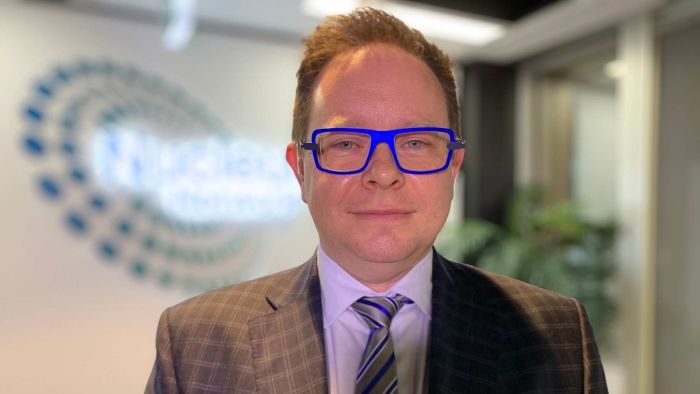
Infectious disease physician Paul Griffin said he was concerned Queenslanders were starting to become frustrated that reunions with loved ones at Christmas were already “out of reach”, threatening to derail the momentum towards vaccination targets.
“I think we need to tell people very clearly that at 80 per cent we’re going to allow vaccinated loved ones to be able to come into Queensland,” he said. The earlier we do that the more time people will have to plan those sorts of reunions. I think we need to get that messaging right and make sure people know that’s an option.”
Griffin, an associate professor at the University of Queensland, said that did not mean restrictions would be totally wound back once borders reopened.
“We’re not saying we’re going to start ignoring COVID when we open up,” he said. “We’re going to switch to a much more specific and sophisticated way of managing the virus which is still to have high rates of testing, still encourage social distancing and hand hygiene but allow people to have the freedoms that they’ve earnt, particularly from being vaccinated.
“In terms of the international borders, we may not allow entry to people coming from areas of high transmission, or we may still ask for people to quarantine from those areas or restrict travel to only those who have been vaccinated.”
Griffin was commenting before Queensland’s latest six cases of SARS-CoV-2, the virus that causes COVID-19, were announced, including a truck driver living in shared accommodation, who had been infectious in the community for about a week.
You might like


A worker at an aviation training facility, and his wife, have also tested positive.
Queensland Health on Monday night issued a public health alert for locations in Eatons Hill, Albany Creek, Aspley and Rocklea after the aviation industry worker, with no recent history of overseas or interstate travel, was confirmed as having the virus.
Exposure sites include the Mother Duck Childcare and Kindergarten at Eatons Hill, Seats R Us on Ipswich Road, Rocklea, Freedom Furniture at Aspley and the McDonald’s Drive Thru on Albany Creek Road. The man in his 30s visited the sites at various times on September 23.
A fourth case tested positive after leaving hotel quarantine and two other cases were overseas acquired.
Australia’s road map out of the pandemic will be discussed again at a national cabinet meeting on Friday based on the latest Doherty Institute modelling into expected case numbers, hospital admissions and deaths once different vaccination thresholds are met.
Since February, Queensland has double vaccinated 1.87 million residents against COVID-19 – 45.6 per cent of the population aged 16 and older. More than 2.65 million residents have received one dose of a COVID-19 vaccine, representing about 64.58 per cent of eligible Queenslanders.
But that still leaves hundreds of thousands of Queenslanders who are not fully vaccinated, including all residents aged under 12. Australia’s medicines regulator, the Therapeutic Goods Administration, is yet to approve a COVID vaccine for young children.
Stay informed, daily
Griffith University virologist Professor Nigel McMillan said the state appeared to be on track to reach the 80 per cent target of Queenslanders aged 16 and older to be fully vaccinated by late November, offering hope borders could be open by Christmas.
He said by then, eligible Queenslanders who wanted a vaccine should have had the opportunity to receive one.
McMillan joined other experts in predicting a jump in infections once borders reopened.
“I think our hospital system will be fine,” he said. “If you look at the data from NSW, 97 per cent of hospitalisations are unvaccinated people. It becomes a disease of the unvaccinated.”
Griffin said plans were underway to ensure Queensland hospitals had capacity for an expected increase in COVID-19 hospital admissions once borders reopened, including moves towards providing some hospital-in-the-home services.
He said as vaccination rates neared the 80 per cent target of eligible residents, the reliance on lockdowns should decrease.
“Lockdowns were something that were very effective early on when we didn’t have a vaccine but I really think we need to put that behind us,” Griffin said. “I think we need to look to utilise everything else to its fullest capacity before we consider another lockdown.”
He said he would prefer to see targeted vaccination strategies, rather than lockdowns, if clusters emerged in areas of low coverage.
“If lockdowns do have to happen then perhaps do it in the smallest geographical area possible,” Griffin said.
Want to see more stories from InDaily Qld in your Google search results?
- Click here to set InDaily Qld as a preferred source.
- Tick the box next to "InDaily Qld". That's it.



