Reserve Bank takes a surprise swipe at Morrison over climate change
The independent Reserve Bank of Australia has weighed into the debate over climate change, as Prime Minister Scott Morrison tries to get the Nationals over the line in supporting a net zero emissions target by 2050.
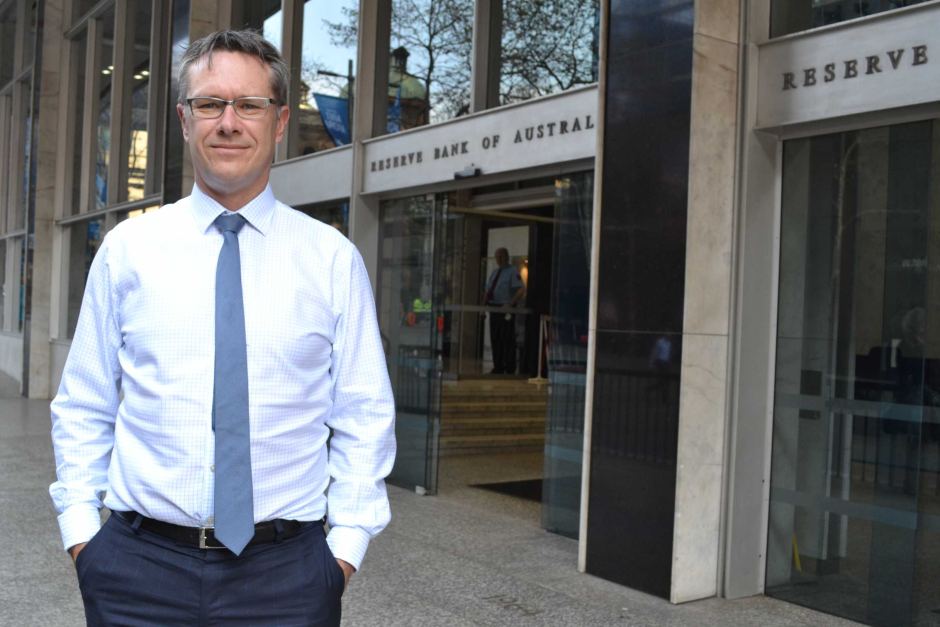
Just weeks out from the United Nations COP26 conference in Glasgow, RBA deputy governor Guy Debelle says climate change is right up there with other risks the central bank worries about.
“Climate change is a first-order risk for the financial system,” Dr Debelle warned an online conference on Thursday.
He said the physical risks from climate change, like bushfires and cyclones, are also manifesting themselves more frequently, which make them a particular challenge.
“It’s high with other risks we are thinking about. It is also up there in a very unpredictable way,” he said during a Q&A session after delivering a speech to the CFA Australia Investment Conference.
In his speech, Dr Debelle said climate change has a broad-ranging impact on Australia, both in terms of geography and in terms of Australian businesses and households.
You might like


“Most Australian financial institutions now recognise climate as a risk,” he said.
“The assessment of climate risks has evolved considerably over the past five years, but there remains considerable scope for further improvement.”
He said in recent years in Australia, climate risks have increasingly entered the discussion with foreign investors.
“To date, we have only isolated examples of divestment from Australia because of climate risk, but the likelihood of more significant divestment is increasing,” Dr Debelle said.
Stay informed, daily
He said investors will adjust their portfolios in response to climate risks as governments in other jurisdictions implement net zero policies, effectively increasing the cost of emissions-intensive activities in Australia.
“So, irrespective of whether we think these adjustments are appropriate or fair, they are happening and we need to take account of that,” Dr Debelle said.
“The material risk is that these forces are going to intensify from here.”
He said while the debate over climate change has been cast in a negative light, there are plenty of opportunities for Australia.
“Australia has been an energy exporter for many decades. And there is no reason why this should change,” he said.
“Australia is also endowed with resources that have the potential for Australia to continue to be an exporter of energy – but renewable rather than emissions-intensive fossil fuels.”
Dr Debelle said the Council of Financial Regulators – Treasury, the Australian Prudential Regulation Authority, the Australian Securities and Investments Commission – is actively engaged in the work taking place globally on climate risks and the financial system.
The cornerstone of the work is the Climate Vulnerability Assessment that APRA is leading with assistance from the RBA and Treasury that focuses on the climate risk of the five largest Australian banks.
“The lending books of the five banks encompass all parts of the Australian economy,” Dr Debelle said.
“Because of the breadth of this work, our expectation is that this exercise will provide useful data and methodology for other Australian financial institutions, particularly asset managers. It should also help Australian companies with their disclosures of climate risks.”
Want to see more stories from InDaily Qld in your Google search results?
- Click here to set InDaily Qld as a preferred source.
- Tick the box next to "InDaily Qld". That's it.



