Building lobby wants teachers to teach girls to like the trades
Female primary school teachers need to be better trained to stop standing in the way of girls pursuing jobs like builders and miners, according to the National Association of Women in Construction.
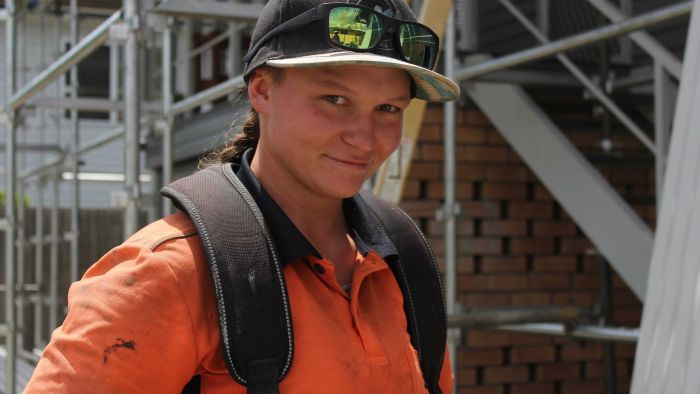
Former national president and longstanding Queensland member of NAWIC, Radmila Desic, told a Women in Super event in Brisbane today that primary teachers needed to be trained to prevent them from steering girls away from jobs across the trades.
“Our educators who are primarily women who have gone to school, gone to high school, gone to university, come back into school, and they don’t know what our industry looks like,” Desic said.
“They can’t teach our kids to be something that they haven’t seen themselves, and they haven’t seen women on the tools or women in certain other roles.”
Desic, a qualified carpenter, said primary teachers needed to take a greater role in opening up opportunities for girls to consider a job in male-dominated workplaces.


“It’s not just our industry, but other industries like mining, have shifted from what we’ve known,” she said.
“There’s a lot of policies in place in regard to heavy lifting and safety and we’re not going into deep trenches with mines with a light on our helmets any longer.
“Sites are well protected, they’re clean, and a lot of things have changed – but they (teachers) wouldn’t know that having not been in an industry like construction.
“They may not understand that the roles have shifted. So maybe when a girl comes up to a teacher and says they’d like to be a bricklayer, and they’re told, ‘no you don’t want to do that job,’ that comes from a place of not understanding.”
Desic said while 70 per cent of the construction workforce was male, the number of women was slowly climbing.
Stay informed, daily
Yet management in the industry was also still heavily skewed to males, with women holding just over 20 per cent of key management positions and making up only 4.4 per cent of CEOs in the sector.
“Teachers also don’t understand the spread of career paths available,” she said.
“We need to educate the educators. The difference is that we have always focused on high schools, but it is the primary schools where those early mindsets are made, and very little focus is being given to helping primary school teachers understand our industries.”
Want to see more stories from InDailyQLD in your Google search results?
- Click here to set InDailyQLD as a preferred source.
- Tick the box next to "InDailyQLD". That's it.