The game they play in Heaven may be in need of a heart starter
Rugby union might have its detractors but in the end the game’s grassroots has more going for it than not, writes Michael Blucher.
Ok. Super Rugby’s over. The Kiwis won. Again. What a surprise. But good on them. You can’t stop them being excellent, we just need to get better. And all indications, we are. We’re closing the gap.
Even better news, now the “really important” rugby starts – the Test matches that reassure the true diehards the game’s not dying. It’s as relevant and worthy as it’s always been.
But is it? Rugby certainly has its current challenges, particularly at a provincial level where administrators continue to tamper and tinker, trying to come up with the most compelling competition format.
If chatter among my cohort is any indication, I’m not certain the answer lies in the Covid-ravaged 2022 format. There were some good elements – the Brumbies winning four times against New Zealand teams was stellar, but the top eight? In a 12 team competition? What was that about? The Highlanders made the “finals” after their worst season in Super Rugby history.
More broadly, the laws, all the spurious yellow and red cards, issued by reluctant referees who wish they could be more lenient – I fear that’s what is turning a lot of people away, even the rusted on supporters. And as much as fans want to apportion blame on the refs, their hands are tied. If they want to officiate in big matches, they just have to toe the party line. The Pedantic Party.
“Yes George – I’ve got yellow – can you just show me that 11th angle in slow motion another time to confirm there are mitigating circumstances?”
You typically hear it two or three times a game. It’s enough to send you to the bar for another round of those $16 beers in plastic cups….
But before it all gets too gloomy and doomy, there are aspects of rugby that have never been more buoyant.
You might like


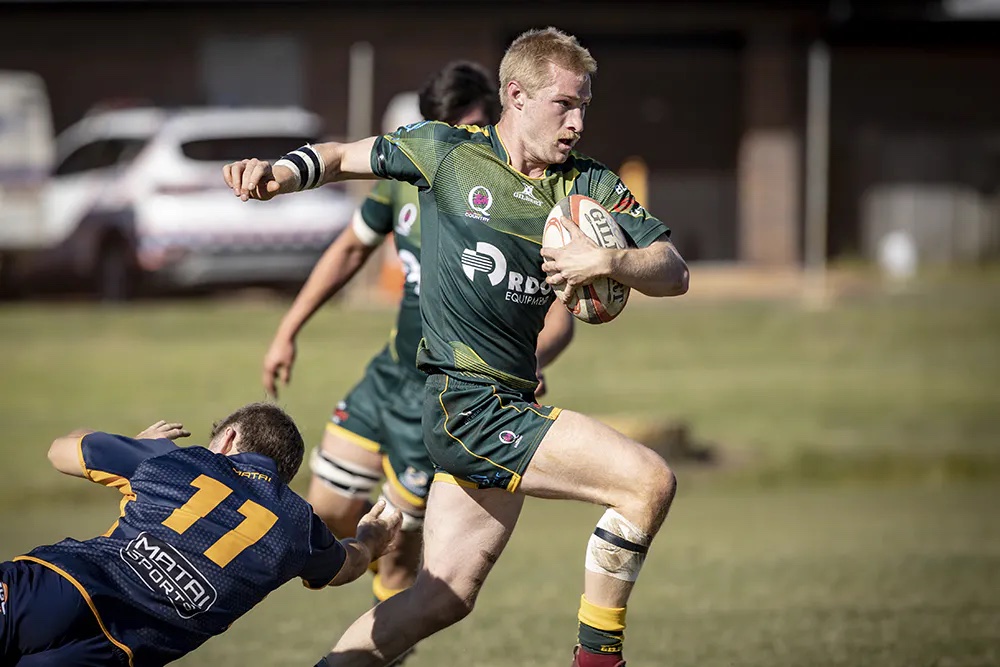
Head down to your local ground on a Saturday afternoon, for instance, to watch club rugby, and the spectacle is often stunning – fast flowing, open, nothing like the over officiated whistle-fest you get at the next level up.
The most noticeable difference? There’s no kill-joy sitting in a television booth, looking at endless replays, frame by frame, screening for malicious intent that so often simply isn’t there. (Bug bear No 2- officiating sport in slow motion when its played in fast motion – ridiculous).
Continuing on the theme of quality viewing, the top level schoolboy games are just as good, if not better than the first grade club matches. If you’re in any doubt about the health of the game at junior level, slide on down and watch a few of those.
Typically six to eight tries in a game, and rarely any from rolling mauls. There’s another blight on the modern game – four of six tries in a match coming from a rolling maul after a five metre lineout, the defending team not uncommonly also incurring a yellow card trying to defend the indefensible. Guess what move the ascendant team opt for next time they are down that end of the field, playing against 14?
From left field – anybody else in favour of reducing rolling maul tries to two points? Or banning them altogether? (You can tell your front-rower friends you thought of that…. please don’t attribute it to me)
Putting the negatives to one side, I know there are plenty of dyed in the wool rugby supporters who wouldn’t change a thing.
Take “Boxer”, one of my older but more pragmatic rugby mates.
“Let’s face it, rugby’s always been a boring game to watch,” he says. “Great to play – you get to wrestle a bunch of blokes then lie about how well you went over a beer, but jeez, don’t ask me to watch a full 80 minutes.”
He likens professional rugby to Test cricket – “something that’s on in the background” – you might check in every now and then, but you’re too busy talking and drinking to watch closely!”
Despite rugby’s blotchy mid-season scorecard, let’s dispel any talk of the game withering on the vine, or worse still, being in terminal trouble.
Stay informed, daily
Rugby is far too important to too many people, well heeled and influential types unaccustomed to losing, particularly in business. And if we accept that sport today is big business, then rugby union has backers aplenty, successful people with deep pockets as well as a deep passion for the game.
A prime example, Brisbane finance industry identity and civic leader Steve WIlson, who with his equally eminent wife Jane (an Australian Rugby Board member) recently donated $1 million to the Queensland Rugby Union foundation.
Those financial windfalls don’t come along very often, but In late June, the foundation hosted a fundraising dinner, encouraging other successful local business types with a strong affinity for the game to follow the Wilsons’ lead – though perhaps not to the same extent!
For Steve, a long serving University first grader, good enough to warrant being belted by Tony Shaw at Queensland squad trainings in the mid 70s, the end game is very clear.
His priority is not rugby’s “pointy end” – it’s not propping up the professionals who are paid handsome sums to play. It’s about seeding, watering and nurturing the grass roots of the game to a level where Queensland grows into “the most prolific rugby province in the world”.
“You can argue all you like about game itself,“ he says. “Some believe it’s awful, that’s their personal interpretation, and sure, there are some laws that could be changed.
“To me, the spectacle is less important. It is what it is. Rugby is principally a player’s game, though I do find it interesting that the most strident critics are former players! The people who love rugby are the ones who’ve become obsessed with the negative! In all other codes, the past players are the strongest proponents.
“But we’ll leave that issue for somebody else to solve. My personal ambition is to have as many boys and girls and men and women playing rugby, and when they finish playing, staying involved in the game, whether that’s through coaching or flipping burgers or marking lines on the field – it doesn’t matter.
“We want them to experience rugby and all the game has to offer. The opportunities are endless. There’s only one Reds front row, but there are thousands of other front rows in clubs across the state.”
He acknowledges there’s plenty of work to do, also conceding not everybody has an appetite to play the long game.
But he’s also not one to let the nitpickers and the pessimists stand in the way of bold ambitions.
1st Test – Australia v England, Saturday, Optus Stadium, Perth. 7.50pm AEST
Footnote: Article penned on a day the Australian team is announced with not a single current Reds player in the starting line-up, and only one in the squad of 23! Yes, clearly, there’s work to do…
Want to see more stories from InDaily Qld in your Google search results?
- Click here to set InDaily Qld as a preferred source.
- Tick the box next to "InDaily Qld". That's it.



