Bushwhacked: Prison farms for youth offenders slammed
Robbie Katter wants $15 million from the Palaszczuk Government to send youth offenders onto remote properties for a ‘bush therapy’ trial, but it’s an idea that will only worsen north Queensland’s crime rates, according to a youth justice expert.
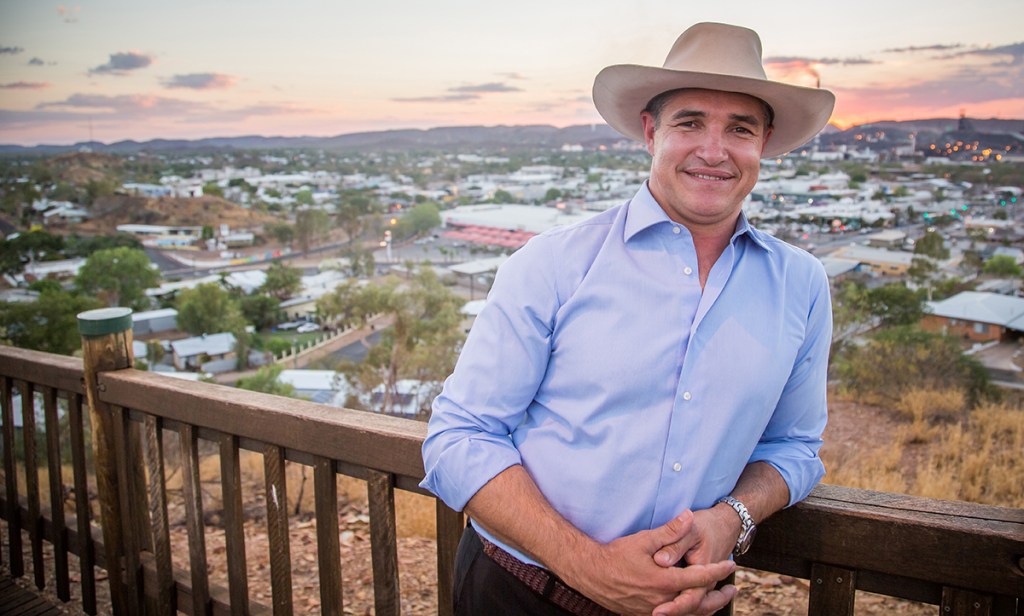
Katter is seeking to progress the proposal after it was first submitted by Mareeba Shire Council as a motion to the Local Government Association of Queensland’s annual conference in Cairns.
The plan would see youth offenders sent to remote state-owned properties for up to a year to “gain both social and vocational skills and accreditation so they can pursue employment opportunities”.
The motion was supported by the majority of represented councils, with Katter, the Katter’s Australian Party (KAP) leader and Member for Traeger in north-west Queensland, calling the idea a “circuit-breaker solution to the unrelenting youth crime crisis”.
But youth justice expert at Griffith University Professor William Wood said the plan was deeply flawed and failed to account for the many factors that lead to youth offending such as history of neglect, physical and sexual abuse and addiction to alcohol and other drugs.
He said the scant details he had seen of the proposal appeared disconnected from a system that continually failed young people, particularly from regional Queensland’s Indigenous communities.
“Australia has a bad history of sending Aboriginal and Torres Strait Islander young people to custodial schools, correctional programs, and other facilities run and administered by white people,” he said.
“Given the overrepresentation of Aboriginal and Torres Strait Islander young people in the youth justice system, it is difficult to see how this proposal is not just a repeat of that failed and violent past.”
You might like


Rehabilitation programs for youth offenders were a vexed issue for Queensland parliamentarians, Wood said.
The LNP Newman Government of 2012-15 established “boot camps” for young offenders, a program that ended in disaster.
“It’s amazing that only three hours from Queensland, New Zealand has had a world-leading program for young offenders in place since 1989 yet it has never been implemented here,” Wood said.
“And that’s generally because these programs have higher-costs to establish, they require more resources to maintain and they are not a quick-fix.”
Youth Justice Minister Leanne Linard said the Palaszczuk Government’s top priority was putting “community safety first”.
“That’s why Queensland has the toughest youth justice laws in the nation, including a presumption against bail for serious youth offenders,” she said.
“At the same time, we are investing in programs to get young people back into education, training and employment to stop the cycle of offending.
“We have heard clearly that the community wants more done to address the issue of offending by young people and we are responding to that call.”
Stay informed, daily
Central to the New Zealand method is keeping children out of detention and managing their behaviour with a therapeutic approach rather than punitive action.
“Intensive youth drug and alcohol treatment programs are woefully lacking in Queensland, and especially in remote communities and for Aboriginal and Torres Strait Islander young people,” Wood said.
“I don’t know how these proposed farm programs would address these underlying issues effectively, especially because drug and alcohol use in young people is often tied to underlying trauma from abuse, neglect, and past victimisation.”
In a statement, Katter stressed the farm-based program would have a therapeutic component, while requiring those detained as part of a mandatory arrangement to “work the land”.
“There are a few key elements to the policy that must be inherent: Relocation Sentencing must be remote; it must be mandatory and it must be long-term; none of these week-long bush camps for criminal kids to have fun on. This has to be taken seriously,” he said.
Katter said if an immediate trial could be funded, the pilot could be used to refine the program, ensuring it was fit for purpose for “both the community and the offender’s sake”.
Wood said if custodial placements were required, especially for Aboriginal and Torres Strait Islander young people, they should be on country or in conjunction with community elders and others in a position to provide more appropriate support and resources for Indigenous young people.
He said several, culturally appropriate pilot projects endorsed by the government remained significantly underfunded and restricted – particularly in remote communities – when compared to other diversionary approaches.
“If Queensland wants to fund pilot projects, why are ones developed and delivered by First Nations communities not being given serious consideration and funding here?” he said.
“Countries with more successful approaches to addressing serious youth crime invest heavily in preventative measures, and then in further measures that seek to address problems in the lives and environments of young people, and then in addressing behavioural change.”
Want to see more stories from InDaily Qld in your Google search results?
- Click here to set InDaily Qld as a preferred source.
- Tick the box next to "InDaily Qld". That's it.



