On this of all days, State urged to decriminalise public drunkenness
Queensland should decriminalise public drunkenness when appropriate social services are in place to treat people, a parliamentary report says.
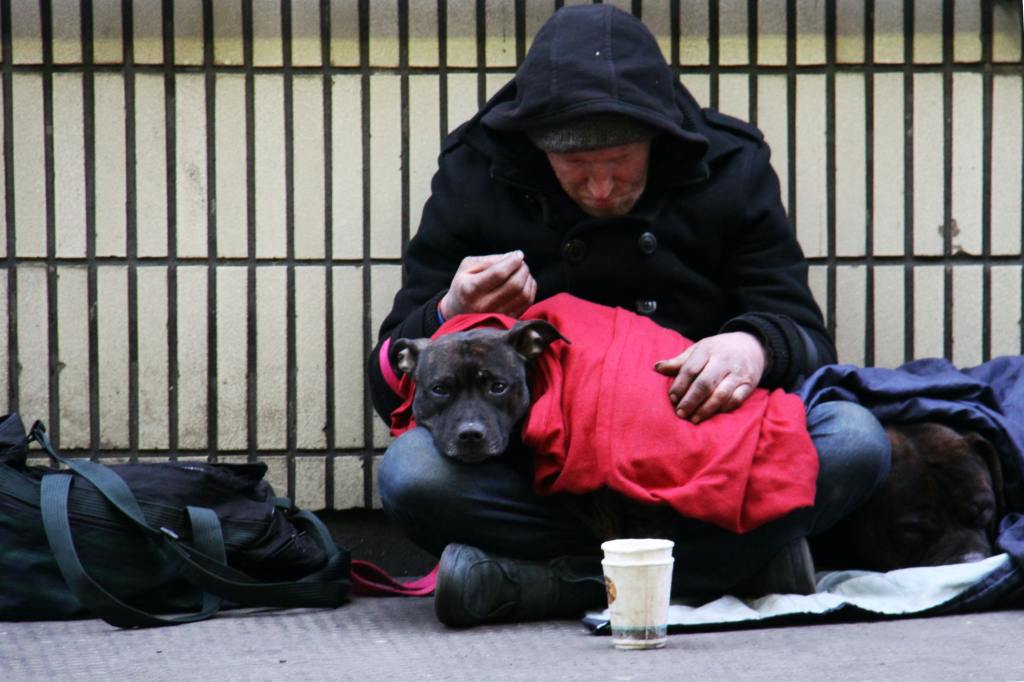
The Sunshine State is the last jurisdiction where people can still be charged with public drunkenness, more than 30 years after the Royal Commission into Indigenous Deaths in Custody recommended abolishing the offence.
A Queensland parliamentary inquiry has recommended the offence be scrapped, along with begging and public urination, once “community-based diversion services” are in place.
Committee chair Corrine McMillan says a health and welfare response should balance public safety with the need to protect vulnerable people who are not being aggressive or threatening from being charged.
“They have no realistic prospect of paying their fines, nor should they be put at risk by being incarcerated,” McMillan wrote in a report tabled in state parliament.


“Research shows a strong correlation between intoxication and higher risk a person will die in custody.
“In the 30 years since the Royal Commission into Aboriginal Deaths in Custody made its recommendations addressing the over-representation of First Nations People in custody and dying in custody, statistics still show an over-representation of First Nations Peoples among those charged with these offences in Queensland.
“These statistics are deeply concerning.”
Non-government committee members expressed reservations about the report’s recommendations.
Liberal National Party MPs Stephen Bennett and Mark Robinson said scrapping the offence was a disproportionate response from a “soft-crime government”.
Stay informed, daily
“Many of the committee’s other recommendations do not recognise the reality; that the community expects to be able to use public spaces and for them to be free from begging, public intoxication and public urination while utilising these public spaces,” they wrote in the report.
Greens committee member Michael Berkman said decriminalisation could be delayed indefinitely because social services were already “oversubscribed, under-resourced or simply unavailable”.
“Both the decriminalisation of the offences and the improved funding for health, mental health, alcohol and other drugs services must be an immediate government priority,” he wrote.
The Greens MP was also concerned about a recommendation police could transport intoxicated people to safety when there was no other option.
He said police interactions with drunk people should be minimal.
Want to see more stories from InDaily Qld in your Google search results?
- Click here to set InDaily Qld as a preferred source.
- Tick the box next to "InDaily Qld". That's it.



