Dancing spiders, parasite wasps: Why our amazing wildlife keeps getting wilder
More than 600 new species have been discovered by scientists across the country over the past year, including seven new subspecies.
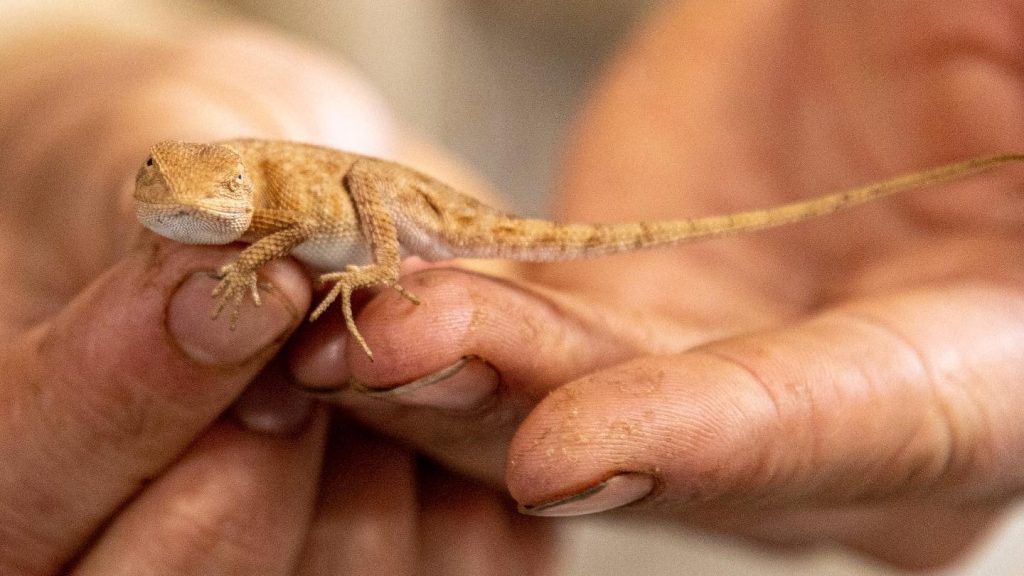
Salsa dancing spiders, high-energy cicadas and a subspecies of white-footed dunnart are among 626 new Australian species that have been found in the past 12 months.
Chest-bursting parasitoid wasps and a fleshy coral that sways in underwater reefs were also discovered.
Federal Environment Minister Tanya Plibersek said scientists are discovering about two new species per day and that two thirds of species in Australia are yet to be discovered.
“We’ve only discovered and named about one third of the species found in Australia,” Plibersek said.


“Australia is recognised as one of only 17 mega-diverse countries in the world, and with a result like this it’s easy to see why. Although Australia has less than one per cent of the world’s population, we have around eight per cent of the world’s plants and animals.”
Some of the new species were named using First Nations knowledge, including the carnivorous bladderwort Utricularia baliboongarnang.
The species can float in swamps due to pontoon-like stems full of air and its name was inspired by the Mirriwoong language word Baliboong, which means swamp-dwelling.
This was in collaboration with Miriwoong Elders and senior speakers of the Mirima Dawang Woorlab-gerring Language and Culture Centre.
The Australian Biological Resources Study has recorded the new species names along with the 150,000 native species already known.
Stay informed, daily
However, several of the new species including the tube-web spider and a mountain frog are already under threat due to climate change.
Australian Biological Resources Study (Parks Australia) entomologist Dr Bryan Lessard said only a third of all the world’s species have been discovered.
“So it’s no surprise we are still uncovering hidden species,” Lessard said.
“Taxonomy, the science of classifying species, allows us to put names on species that makes it easier for researchers, citizen scientists and conservationists to talk about and study that exact species.”
-AAP
Want to see more stories from InDaily Qld in your Google search results?
- Click here to set InDaily Qld as a preferred source.
- Tick the box next to "InDaily Qld". That's it.



