Hindenburg targets fintech firm Block over alleged crime links
After its devastating attack on Adani, activist investor Hindenburg has turned its attention to fintech firm Block, accusing it of facilitating fraud and claiming that its cash app was being used by criminals to facilitate payments for murders and sex trafficking.
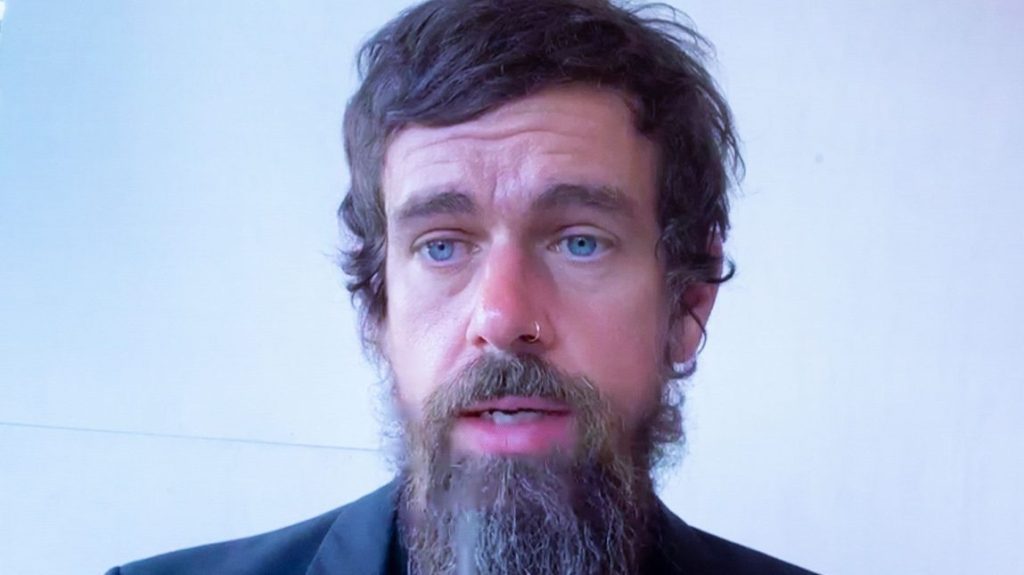
Block, which used to be called Square and has bought Afterpay, is a point-of-sale technology company. Its shares fell 16 per cent this morning after the report was released.
Hindenburg said the market was excited about Block’s cash app platform and that expectations were that its 51 million monthly users would drive high margin growth.
“Our research indicates, however, that Block has wildly overstated its genuine user counts and has understated its customer acquisition costs. Former employees estimated that 40 per cent to 75 per cent of accounts they reviewed were fake, involved in fraud, or were additional accounts tied to a single individual,” Hindenburg’s report said.
“Core to the issue is that Block has embraced one traditionally very “underbanked” segment of the population: criminals. The company’s wild west approach to compliance made it easy for bad actors to mass-create accounts for identity fraud and other scams, then extract stolen funds quickly.
“On a purely fundamental basis, even before factoring in the findings of our investigation, we see downside of between 65 per cent to 75 per cent in Block shares. Block reported a 1 per cent year over year revenue decline and a GAAP loss of $US540.7 million in 2022.


“Afterpay was designed in a way that avoided responsible lending rules in its native Australia, extending a form of credit to users without income verification or credit checks. The service doesn’t technically charge “interest”, but late fees can reach APR equivalents as high as 289 per cent.
“The acquisition is flopping. In 2022, the year Afterpay was acquired, it lost $357 million, accelerating from 2021 losses of $184 million.”
The report said that even when users were caught engaging in fraud or other prohibited activity, Block blacklisted the account without banning the user.
“A former customer service rep shared screenshots showing how blacklisted accounts were regularly associated with dozens or hundreds of other active accounts suspected of fraud. This phenomenon of allowing blacklisted users was so common that rappers bragged about it in hip hop songs,” it said.
“Chief executive Jack Dorsey has publicly touted how Cash App is mentioned in hundreds of hip hop songs as evidence of its mainstream appeal. A review of those songs show that the artists are not generally rapping about Cash App’s smooth user interface—many describe using it to scam, traffic drugs or even pay for murder.
“Cash App was also cited “by far” as the top app used in reported U.S. sex trafficking, according to a leading non-profit organization. Multiple Department of Justice complaints outline how Cash App has been used to facilitate sex trafficking, including sex trafficking of minors.
Stay informed, daily
Beyond facilitating payments for criminal activity, Hindenburg said the platform had been overrun with scam accounts and fake users, according to numerous interviews with former employees.
“Examples of obvious distortions abound: “Jack Dorsey” has multiple fake accounts, including some that appear aimed at scamming Cash App users. “Elon Musk” and “Donald Trump” have dozens.
Want to see more stories from InDaily Qld in your Google search results?
- Click here to set InDaily Qld as a preferred source.
- Tick the box next to "InDaily Qld". That's it.



