Turning point: How rooftop solar systems provide more electricity than brown coal
Rooftop solar systems supplied more electricity to Australia during last summer than brown coal, setting a record, the Clean Energy Council says.
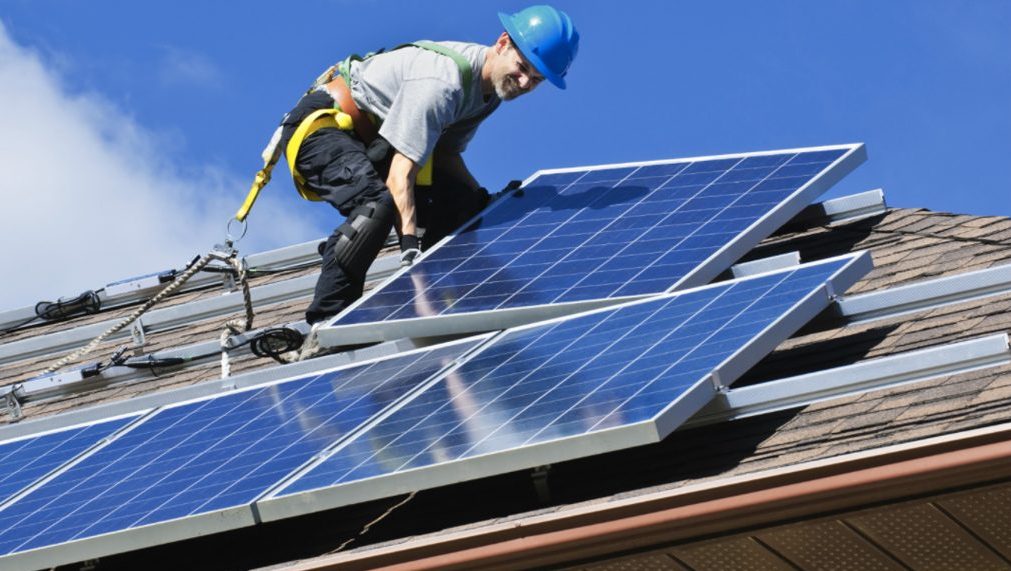
The systems also provided more energy to the grid than all other renewable sources, including grid-scale wind farms and solar farms.
All told, small-scale systems generated 14 per cent of the nation’s electricity, which was a noteworthy achievement given there was less sunshine than during an average summer, the council’s chief executive Kane Thornton said on Tuesday.
“We’re seeing a fundamental shift; consumers are becoming energy generators, making their own clean energy, reducing their bills and taking on the electricity companies,” he said.
“Australia is a world leader in rooftop solar.”

Thornton said households produced and used more of their own solar energy that didn’t make it to the grid, taking “pressure off our strained system”.
“Thousands of Australians are switching to rooftop solar and seeing the benefits to their hip pockets and the environment,” he said.
“Payback periods for rooftop solar are now at near record-low levels, at 3.4 years for a seven-kilowatt system.”
The total output for rooftop solar for summer was 8046 gigawatt hours, up by 19.5 per cent on the previous year.
South Australia led the way, producing 27.6 per cent of the solar energy fed into the grid, followed by Western Australian and NSW.
Stay informed, daily
Tasmania and Victoria were the least productive states, with 5.4 and 12.2 per cent generated respectively.
More than three million homes and businesses have rooftop solar systems across the nation, according to the council.
Thornton said soaring energy bills that have risen between 15 and 20 per cent since mid-2022 had sparked a surge in installations.
Want to see more stories from InDaily Qld in your Google search results?
- Click here to set InDaily Qld as a preferred source.
- Tick the box next to "InDaily Qld". That's it.