Seven Up: Unions say minimum pay rise for low-paid should top 7 per cent
The annual minimum wage for Australia’s low paid workers should rise by seven per cent, the ACTU says.
The union body made the recommendation in a submission to the Fair Work Commission’s national minimum wage review ahead of a decision in June.
If granted, more than 2.6 million workers on minimum and award wages would be entitled to a new minimum hourly rate of $22.88, taking their annual pay to $45,337.28 from July 1.
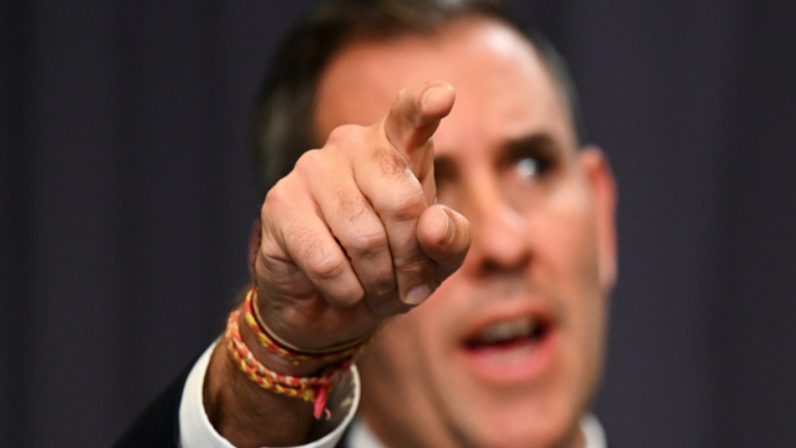
Treasurer Jim Chalmers said the government would make its own submission consistent with its values, but wouldn’t mention a specific number.
“We’ve been incredibly clear, we want to get wages moving again, it’s common sense to begin with the lowest paid workers,” he told the ABC on Thursday.
“Our submission will reflect the fact that we don’t want to see people who are on the lowest incomes in this country fall further behind.”
Chalmers said the notion that inflation was being driven by low-paid workers getting wage rises was “absolute rubbish”.
You might like


He said the government understood families were under incredible pressure with the rising cost of living, but indicated there wouldn’t be further relief payments for them.
The ACTU said low-paid workers deserve the rise because they had suffered the most under rising inflation, which has eroded their buying power as living costs have increased.
“A seven per cent pay increase is essential for minimum and award wage workers, who have suffered real wage cuts over the past two years,” ACTU secretary Sally McManus said on Thursday.
“This increase is vital to help working people keep their heads above water.
“It is simply about survival for the lowest paid workers in our country.”
The current annual rate of inflation is 6.8 per cent, according to Australian Bureau of Statistics monthly consumer price index data released on Wednesday.
Stay informed, daily
“There are real people behind the statistics of Australia’s cost-of-living crisis – the workers we rely on to deliver vital services in early learning, aged care, disability care, fast food, cleaners, security, and retail,” McManus said.
“People are skipping meals, avoiding medical care and dreading their next bill.
“Rents have skyrocketed along with the cost of essentials such as groceries, clothing, fuel, and childcare.”
The ACTU argues that because businesses posted strong – and in some cases record – profits in the most recent reporting period, the proposed wage increase is more than affordable.
Minimum and award wage increases had no discernible impact on inflation last year, it added, noting the biggest risk to the economy was a collapse in consumer spending power.
“There is now general acceptance of what the ACTU has been saying for a year,” McManus said.
“There is no wage-price spiral in Australia.
“Instead, companies have been posting huge profits, driving inflation through excessive price rises.”
In its 2022 decision, the Fair Work Commission raised the minimum wage by 5.2 per cent, equating to $21.38 an hour.
This was after the ACTU argued for a 5.5 per cent increase and the Australian Chamber of Commerce and Industry, Australian Industry Group and other employer bodies proposed an increase between 2.5 per cent and three per cent.
Submissions to the commission national minimum wage review close on Friday.
Want to see more stories from InDaily Qld in your Google search results?
- Click here to set InDaily Qld as a preferred source.
- Tick the box next to "InDaily Qld". That's it.



