UQ breakthrough could lead to tobacco biofactories
Tobacco may have a healthy use after all, with University of Queensland research finding the plants could be used to manufacture medicine on a large scale.
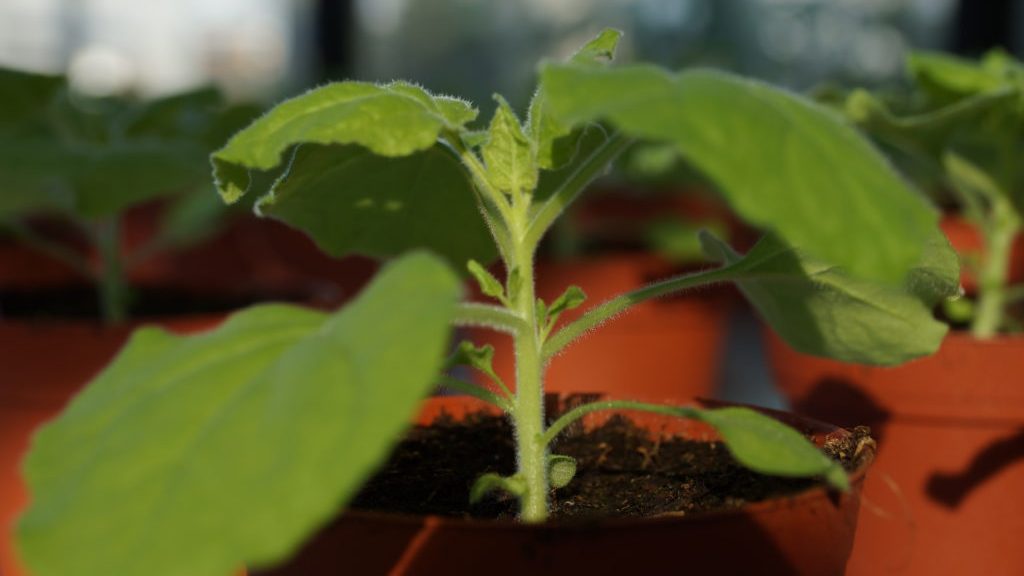
UQ’s Institute for Molecular Bioscience has shown that native wild tobacco could potentially produce large quantities of drugs that were cheaper and more sustainable than those produced by industrial manufacturing.
Professor David Craik and Dr Mark Jackson said that by using molecular biology techniques the plant can be told to produce the molecules needed.
“The wild tobacco plants are then harvested, freeze dried and the molecule is processed to be turned into oral medication,” Craik said.


While the traditional large-scale manufacturing of pharmaceuticals was expensive and often used harsh chemicals and created waste, harnessing plants as biofactories had been shown to be more cost-effective and used fewer resources and was less wasteful, with a much simpler production process,” Jackson said.
“This method can also scale up very sustainably – using just light, water and nutrients.”
The researchers grew the drug T20K, which is currently in phase 1 clinical trials to treat multiple sclerosis.
It was the first cyclotide drug that haf progressed to clinical trials.
Stay informed, daily
“We have shown it is possible to scale up production of cyclotides in plants, providing a platform for growing other medications for pain, cancer or obesity,” Craik said.
“There is also an opportunity to build capacity for biomanufacturing in Australia with advances in vertical farming – where we can easily have a controlled environment to grow the plants.”
The work has been made possible by a donation from the Clive and Vera Ramaciotti Foundation in 2015.
Want to see more stories from InDaily Qld in your Google search results?
- Click here to set InDaily Qld as a preferred source.
- Tick the box next to "InDaily Qld". That's it.