Shorten rules out co-payments as means of controlling NDIS costs
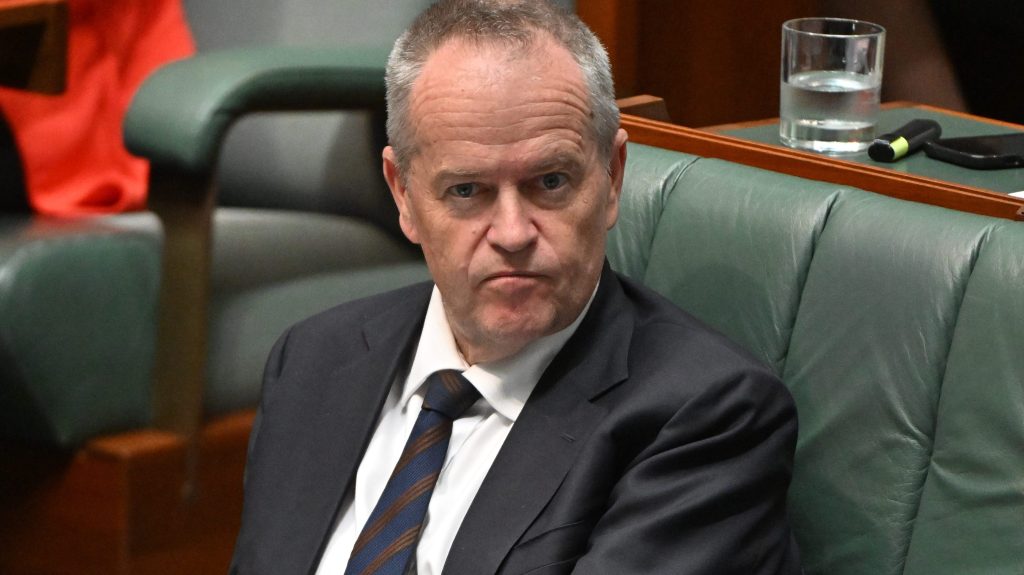
National Disability Insurance Scheme Minister Bill Shorten has dismissed using co-payments or means testing as a way to rein in the soaring cost of the program.
Kismet, an online platform business that links people with a disability to NDIS providers, has suggested implementing co-contributions in a similar vein to the childcare system.
The NDIS is expected to blow out to about $60 billion a year by the end of the decade, sparking calls to make it more sustainable to ensure its longer-term viability.
Asked if co-payments or means testing would be considered, Mr Shorten said: “No.”


“To be honest, I’m not going to pretend I’m going to give it too much oxygen,” he told ABC radio on Wednesday.
You might like
“The challenges in the scheme … (are) to make sure that every dollar that in this scheme gets to the people for whom it was originally designed.”
Mr Shorten said the NDIS needed longer-term planning and that there was too much focus on annual plans.
“For a lot of people with a permanent disability, it’s dehumanising to be asked: ‘Are you still blind? Do you still have Down syndrome?’” he said.
“If we tackle spiralling price costs and price gouging by companies and service providers, I think then we can also lower the trajectory of growth.”
Mr Shorten also said he did not accept there were tens of thousands of people on the scheme who shouldn’t be on it.
Want to see more stories from InDaily Qld in your Google search results?
- Click here to set InDaily Qld as a preferred source.
- Tick the box next to "InDaily Qld". That's it.



