World-first IV Passport earns prestigious award
The development of a world-first intravenous (IV) Passport has caught the world’s attention with 20 countries downloading the application and an award from the consumer-led Australian Patients Association.
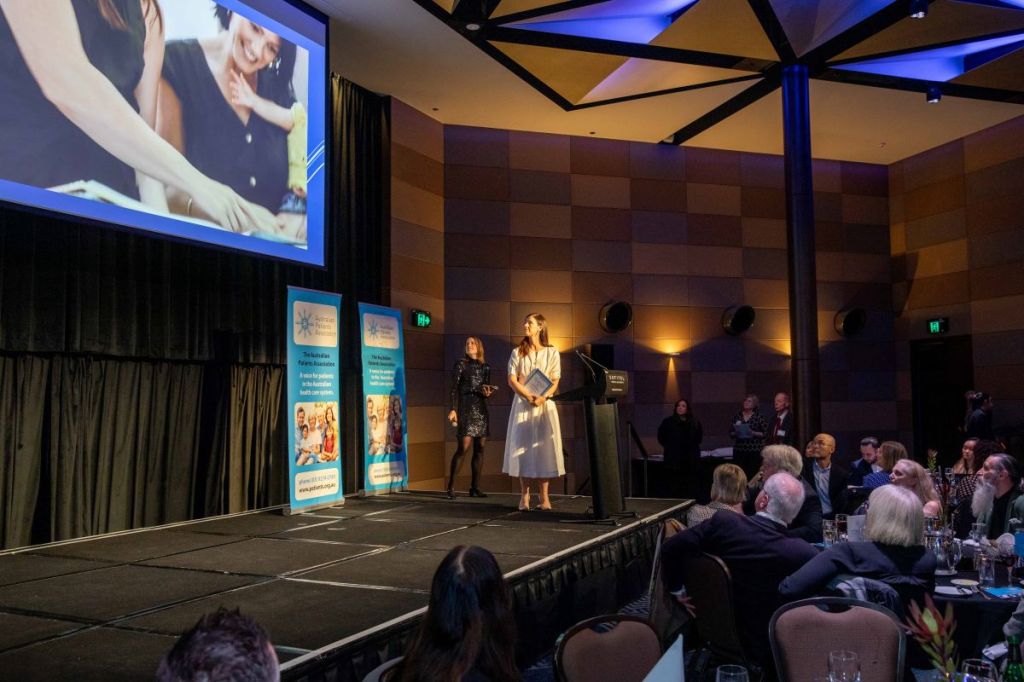
Adjunct Professor Amanda Ullman from Menzies Health Institute Queensland and Children’s Health Queensland was awarded the Most Outstanding Patients Innovation award at a ceremony for The IV Passport which allows people to document current, historical and future IVs.
“Our consumer partners have told us IVs, such as central lines, are often in the heart of their experience with healthcare,” Adjunct Professor Ullman said.
“They signify the commencement or recommencement of complex and vital therapies, such as chemotherapy and nutrition.
“IVs stay with our patients throughout their in- and out-of-hospital treatments, but can cause pain, stress and can sometimes be difficult to manage.
“As a team, we are excited our work is meaningful to the people we created it for.
You might like


“It is exciting to get this recognition, but mainly because we know we have made a difference.
“The IV Passport has been downloaded in 20 countries, and our consumer networks are finding it incredibly beneficial including Parenteral Nutrition Down Under.
“We are currently working on an update to allow it to be used in many other settings.”
The IV Passport was designed for people, especially children, with complex health conditions with routinely require the insertion of an IV device, an invasive hollow tube that allows for the administering of medications and fluids into the bloodstream.
Stay informed, daily
Some people can have these IV devices in place for years.
Adjunct Professor Ullman worked with a team of clinicians, researchers and app developers at Griffith’s App Factory to create an mHealth application.
“Patients, parents and primary caregivers are the central figure in managing these long-term health conditions, including their IV,” she said.
“They have asked us for consistent resources to plan their IV needs, now and in the future.
“Patients, families and medical practitioners can access a child’s full IV history and link to accurate resources for problem-solving common issues they may face at home or in hospital.
“I’m excited to continue working on The IV Passport and playing a role, in some way, in helping people with chronic health conditions.”
Consumer lead on the project and former President of Parenteral Nutrition Down Under, Karen Winterbourn knows first-hand the benefits of the IV Passport as her health condition has caused her to rely on her nutrition to be administered through her vascular system via a central venous line.
“This world-first IV Passport is an easy-to-use portable electronic repository of all my central line and venous access information and planning,” she said.
“I’ve found it especially helpful with my hospital team when discussing my central line history and future planning.
“It is so easy to locate the applicable information, and then to update and add planning decisions.”
Want to see more stories from InDaily Qld in your Google search results?
- Click here to set InDaily Qld as a preferred source.
- Tick the box next to "InDaily Qld". That's it.



