FIFO cops: Flying Squad police to target crime hot spots, focus on repeat offenders
Fly-in-fly-out specialist officers will be sent to Queensland crime hotspots as part of a new police operation aiming to reduce repeat offending.
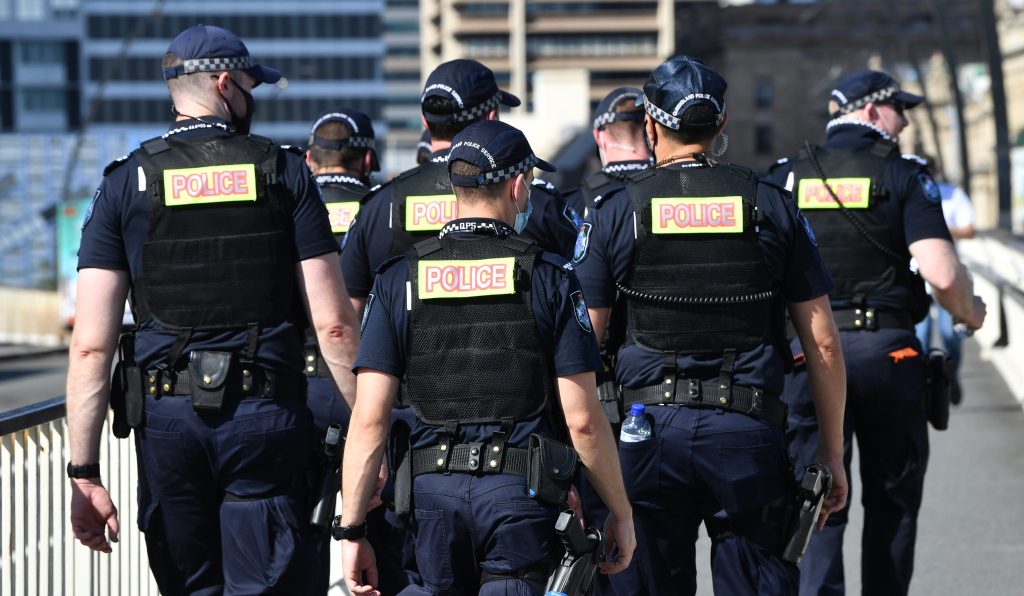
Operation Whiskey Legion will start in Ipswich and Logan near Brisbane before moving to other regional areas in the coming weeks.
Specialist unit officers will combine with local police targeting high risk offenders and identifying future crime hot spots under the rolling operation.
Vehicle theft, property crime, robbery, assault and domestic and family violence will be among the crimes targeted.
“It is a targeted approach to substantially boost the police presence in key locations while they go after high-risk offenders and ramp up patrols,” Police Minister Mark Ryan said on Wednesday.


The operation will also help expand initiatives like “Bring the Beat” where a mobile police station can be deployed to an area at the request of the local community.
Premier Steven Miles said flying in extra officers to high offending areas has been trialled in recent months but the operation is a statewide expansion.
The operation won’t be at the expense of other police beat mobile stations.
“The program has had some success already in a number of policing districts and they’re using really high-quality intelligence to identify where they should go and what the most appropriate intervention in that community will be,” he told ABC Breakfast on Wednesday.
It marks the first initiative under Acting Police Commissioner Steve Gollschewski, who took over after Katarina Carroll resigned last month.
Stay informed, daily
“We will continue tackling crime from all angles to ensure the community is safe and feels safe,” he said.
“Communities can expect to see a surge of police in their area as part of rolling operation deployments in hot spots across Queensland.”
Two major operations aimed to crack down on crime in Queensland are already underway with Operation Whiskey Unison and Taskforce Guardian focusing on youth crime.
The latest data from Whiskey Unison revealed more than 11,300 arrests in the past year, with more than 4100 of those being children.
Want to see more stories from InDaily Qld in your Google search results?
- Click here to set InDaily Qld as a preferred source.
- Tick the box next to "InDaily Qld". That's it.