Too good to be true: How to file a problem free tax return
It’s that time of year when tax hacks are prevalent online. Time to beware, writes Ann Kayis-Kumar.
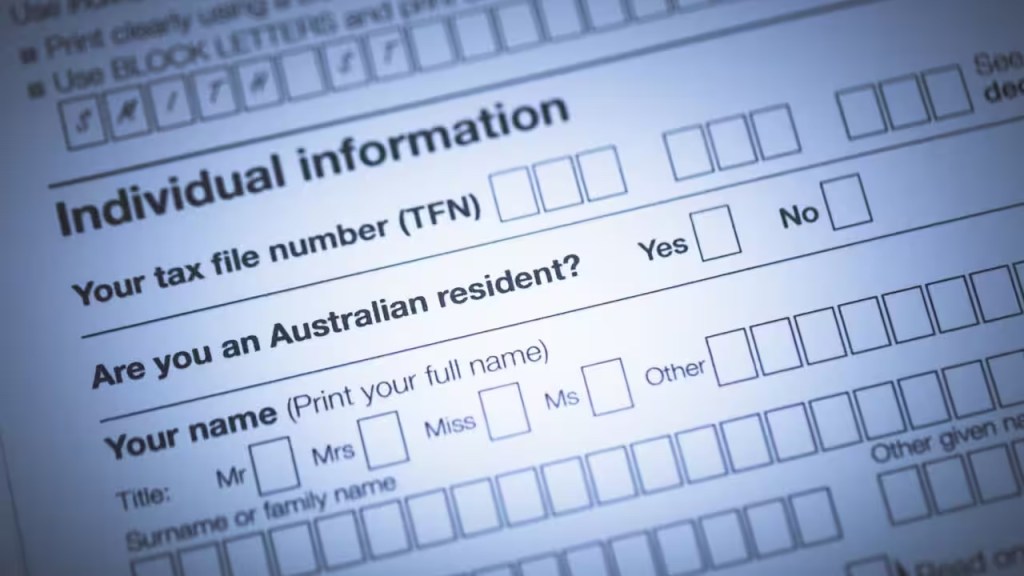
For many people a tax refund is a much-anticipated lump sum of money.
So, it is understandable Australians will be looking for ways to maximise their returns – particularly we are in a cost-of-living crisis.
But, whether you do your own return or use a tax agent, taking risks is not advised.
Be wary of “tax hacks” you might hear about from online sources (I’m looking at you, TikTok). Two truisms spring to mind:
1. Don’t let the tax tail wag the dog
Many tax hacks suggest you spend considerable money on purchases up front to claim tax deductions. But a tax deduction isn’t actually worth the value amount of your spend.
For example: let’s say you’re on a taxable income of A$60,000 per year, which puts you roughly in the 50th percentile of income earners and means your marginal tax rate is 32.5 cents.
You might spend $1,000 on a purchase in the hope of getting a sweet $1,000 tax deduction. However, you’re going to be $675 out of pocket. This is because that $1,000 deduction is only worth $325 (because tax is calculated on your taxable income, which is assessable income less allowable deductions).
It will be worth even less next year because of the introduction of the revised Stage 3 tax cuts and that’s a good thing because you’ll be paying less tax overall.
2. If it’s too good to be true, it probably is
You might like


Even if you use a registered tax agent (and it’s important to check they are registered by checking the Tax Practitioners’ Board), it’s a common pitfall to think any aggressive deductions they might suggest are their responsibility if the Australian Taxation Office (ATO) comes knocking. That’s not the case.
Taxpayers are responsible for errors in returns made by their tax agents, so the ATO will hold you responsible.
Indeed, the ATO has announced it will be taking a close look at three common errors being made by taxpayers:
- incorrectly claiming work-related expenses
- inflating claims for rental properties
- failing to include all income when lodging.
It might be tempting to think you’ve got away with over claiming deductions or under reporting income but the ATO has sophisticated systems to analyse your data) and track your claims.
You’ll need to substantiate your claims, so keep records. If the tax office finds mistakes, you could face financial penalties, even jail time.
Two months ago, a woman was sentenced to two years and six months jail and ordered to repay $39,600 after she lodged three fraudulent Business Activity Statements and received a GST refund to which she wasn’t entitled. While under investigation, she then sent eight false statements to the ATO and tried to claim more money.
This is one on many individuals named on the ATO’s website highlighting the results of regular crackdowns.
So, should I use a tax agent?
There are nearly 20.5 million active tax file numbers registered to individuals in Australia and last tax year the ATO received 13.7 million individual tax return lodgements. This was a 3% increase on the previous year. Of these lodgements more than 5.6 million were lodged by self-preparers and more than 8 million were lodged by tax agents.
It makes sense most Australians use agents to prepare and lodge their tax returns. It’s easier, less stressful, gives you confidence the job is being done right and saves time.
Having said that, it does come at a price (see above on the value of deductions), and previous research which finds that every extra dollar spent on a tax agent only yields an estimated tax savings of 20 cents), and if you have simple tax affairs then it’s relatively easy and quick to do it yourself.
How do I prepare my tax return?
Generally, everyone should be lodging an income tax return each year (or, if you don’t need to lodge a tax return, lodging a non-lodgement advice). The ATO has a “Do I need to lodge a tax return?” tool if you’re unsure.
Stay informed, daily
It also has a useful two minute video which steps you through the process for lodging with their online system myTax.
For those of us with simple tax affairs, you just need to follow these steps:
- gather and prepare all your information regarding income from work, interest, dividends and any other income such as capital gains from crypto assets or sale of shares
- then gather and prepare all your information on deductions and work expenses to be claimed making sure you have the evidence to back up your claims. This can be in the form receipts, invoices, log books and diary entries
- if you are a self-preparer you can log onto your myGov or the ATO’s app to prepare and lodge your return. If you wait until late-July you’ll have the benefit of the ATO’s pre-filled data, too. This gives you plenty of time to make the October 31 deadline.
There’s also the option to use the ATO’s free, volunteer-run TaxHelp program (provided you meet the eligibility criteria), your local Tax Clinic (details here), or by seeking help from a registered tax agent. Just make sure you engage them before the October 31 deadline.
Where it might get tricky
But for others, for example if you have an ABN, it gets a bit more complicated. If you operate your business as a sole trader, you must lodge a tax return, even if your income is below the tax-free threshold.
And if you have registered for GST – which you must do when your business or enterprise has a GST turnover of $75,000 or more, or if you are a taxi driver or Uber driver – then you will also need to submit quarterly BAS.
It gets even more complicated for partnerships, trusts and companies, so it is best to seek the guidance and professional expertise of a registered tax agent, if you aren’t already.
What if I can’t afford a tax agent?
This year, many Australians are doing it tough. Indeed, research by the ASIC’s Moneysmart program estimates more than five million Australians are in financial strife.
Many people will find it hard to prioritise paying a registered tax agent when they cannot afford basic necessities like food.
If you’re in this situation, you might find it useful to get in touch with a free financial counsellor via the National Debt Helpline or the Small Business Debt Helpline.
Don’t procrastinate
Don’t put off doing your tax. If you’re behind, it might seem daunting to get back on track, especially if you think you’ll have to pay extra tax this year instead of getting a refund. But not lodging your returns will backfire. Like avoiding a trip to the doctor to get a skin check, the longer you wait, the more the problem will grow.
Reaching out to the ATO is the key because they have tools to support you, including payment plans. It also shows the ATO that you are willing to comply. Ultimately, being up to date will save you fines, interest and penalties.
If you are one of the 80,000 Australians in serious hardship who need but can’t afford professional help to complete and lodge overdue returns, the government-funded National Tax Clinics Program can help with free tax advice.
Associate Professor Ann Kayis-Kumar is the Founding Director of UNSW Tax and Business Advisory Clinic, UNSW Sydney. This arricle first appeared in The Conversation.
Want to see more stories from InDaily Qld in your Google search results?
- Click here to set InDaily Qld as a preferred source.
- Tick the box next to "InDaily Qld". That's it.