Psychology of shopping: How supermarkets make deals seem better than they are
The psychology of supermarket shoppers is in focus as Coles and Woolworths stand accused of sneaky price practices.
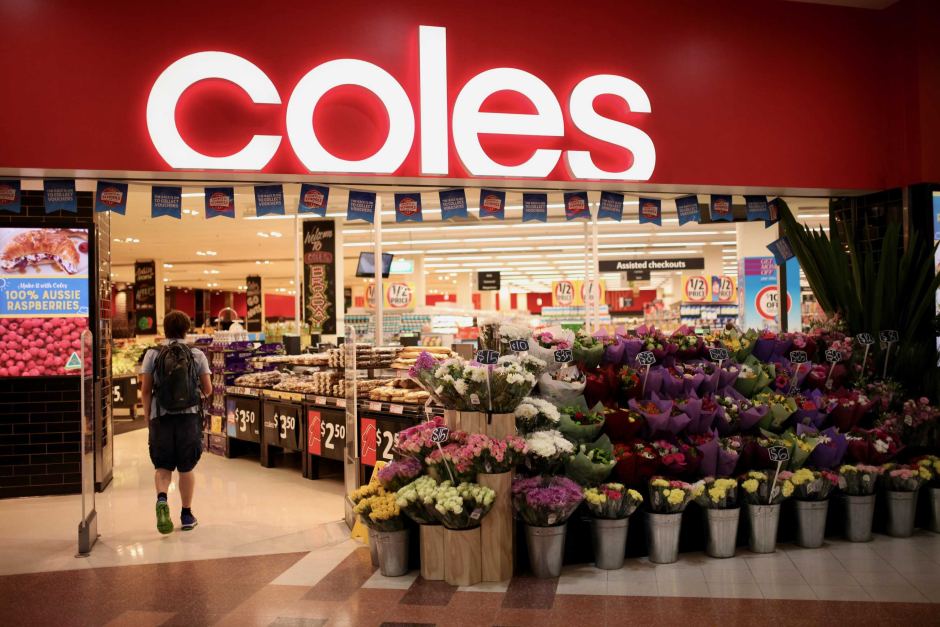
The grocery giants are headed to court after the consumer watchdog launched legal action against them for allegedly breaking consumer law with misleading discount pricing claims.
The Australian Competition and Consumer Commission said the duopoly would briefly jack up product prices by around 15 per cent, before dropping them to below the peak but above the initial price.
That illusion of a discount plays into a human bias to process information as quickly and easily as possible, according to Deakin University consumer behaviour expert Paul Harrison.
“There is really strong research that people do bypass detail when they see something is discounted … it serves as a shortcut and a way for a person to say, ‘I don’t need to process detailed information about it’,” he told AAP.
“You could say it’s a form of manipulation … we trust these institutions to tell us the truth and if it says it’s a discount, we assume it actually is.”
You might like


Dr Harrison said supermarkets and retailers would be aware of the psychological impact of words like discount in influencing people to skip extra detail.
Macquarie University marketing professor Jana Bowden agreed and said supermarkets actively “exploit” that psychology.
Dr Bowden said a shopper can shift from “rational and careful” to “emotionally-laden” when confronted with a discount.
“Consumers are confronted with a full FOMO effect – they feel a simmering sense of unease and guilt if they don’t buy now, and buy on a deal,” she told AAP.
Stay informed, daily
“Couple that with the fact many consumers are just looking to get in and get out when it comes to getting the groceries, then there isn’t much time spent analysing … supermarkets know that and they exploit it.”
Coles is defending the action while Woolworths has defended its ‘Our Prices Dropped’ program as giving shoppers “great everyday value”.
In a statement, the ACCC said the revenue from the allegedly misleading discounts was significant given they sold tens of millions of the affected products.
The allegations relate to 266 products Woolworths sold at different times across 20 months and 245 products Coles sold at different times across 15 months.
Pointing out the two companies controlled around 65 per cent of Australia’s supermarket trade, RMIT senior lecturer in finance My Nguyen said the lack of competition could be easily exploited by the behemoths.
“The recent legal action by the ACCC … underscores how their market power can lead to practices that may not be possible in a more competitive environment,” Dr Nguyen said.
“They can influence prices more easily, potentially resulting in higher costs for consumers and higher profit margins for the supermarkets.
“The high barriers to entry, including economies of scale and established supply chains, make it difficult for new competitors to challenge their dominance.”
Want to see more stories from InDaily Qld in your Google search results?
- Click here to set InDaily Qld as a preferred source.
- Tick the box next to "InDaily Qld". That's it.



